Ancient Microbial Life Discovered in Korean Meteorite Impact Basin
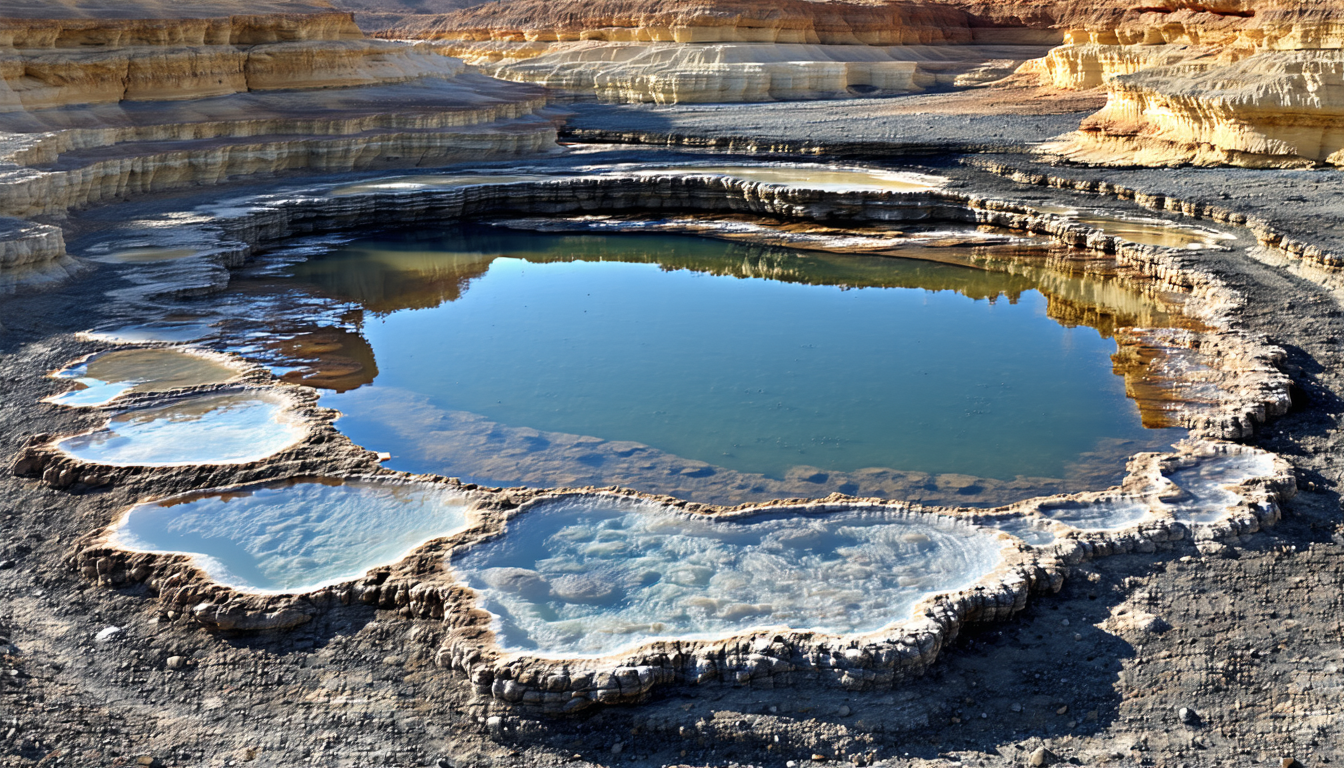
Scientists at the Korea Institute of Earth Sciences and Mineral Resources have unveiled findings of stromatolites discovered within the Hapcheon Basin, Korea's sole verified meteorite impact crater, with results published in Communications Earth & Environment.
The research team proposes that these stromatolites originated in a hydrothermal lake system that developed following an asteroid's collision with Earth. The extreme heat generated from the impact's molten rock formations likely sustained elevated water temperatures over an extended period, while simultaneously enriching the water with dissolved minerals. These conditions would have been exceptionally favorable for microbial proliferation.
Stromatolites represent some of the most ancient known indicators of life on the planet. These layered structures form through the metabolic activity of microorganisms, particularly cyanobacteria, which generate oxygen as a byproduct of their photosynthetic processes.
Compare options


