Economic Crisis Dampens Eid Al-Adha Celebrations Across Lebanon
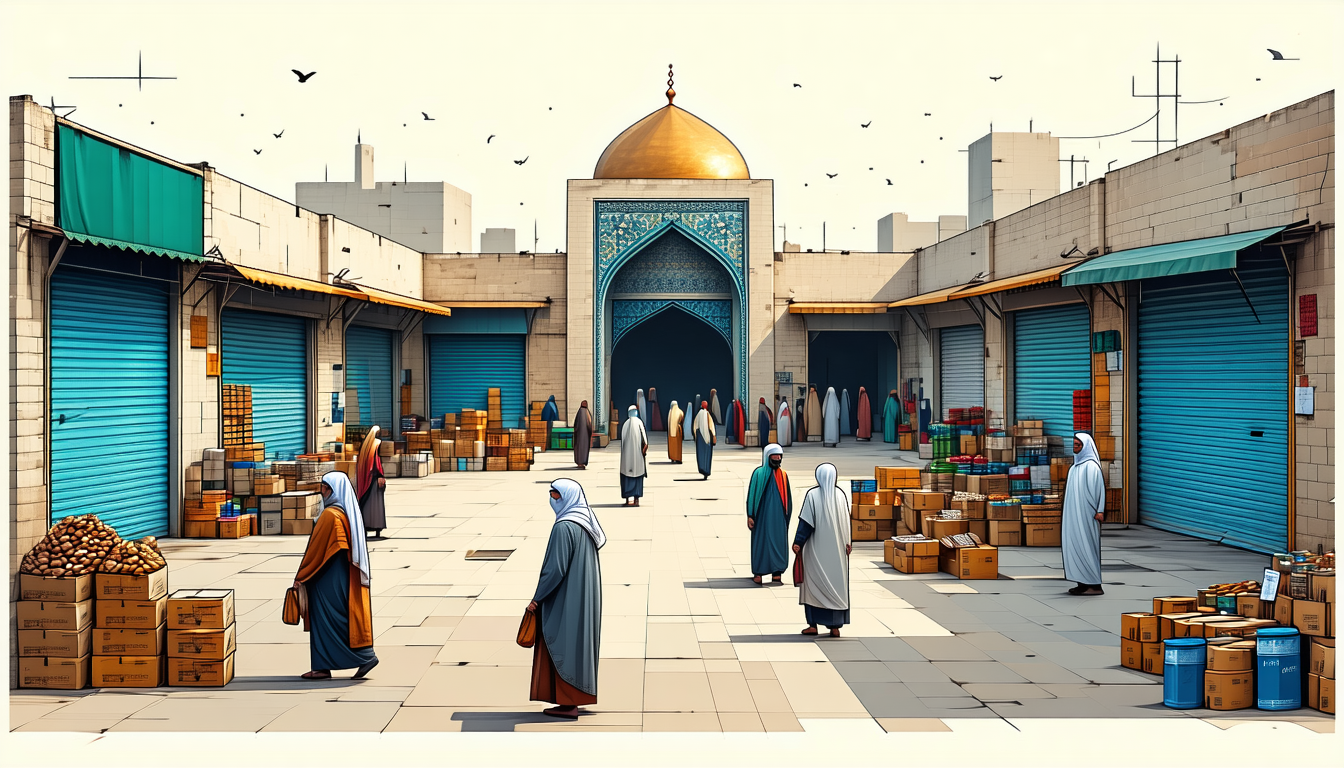
The approach of Eid Al-Adha has revealed starkly different market conditions across Lebanon, where security instability and economic hardship are reshaping how families observe the holiday. Rather than the robust spending patterns of previous years, merchants and shoppers alike are navigating a landscape marked by caution and constraint.
Visits to commercial districts show a marked shift in purchasing behavior. While foot traffic exists, it lacks the enthusiasm characteristic of holiday seasons past. Shoppers are prioritizing essentials over discretionary items, with many families limiting purchases to children's clothing while postponing their own needs. The festive shopping that once defined the pre-holiday period has largely given way to careful budgeting.
A clothing merchant described the current situation as showing "relative improvement compared to recent weeks," yet acknowledged it remains far short of customary holiday activity. Customers now lead with price inquiries and discount requests before committing to purchases. The proprietor noted that families are attempting to preserve at least a minimal Eid atmosphere through modest gifts and necessary supplies, though overall sales volumes have declined substantially year over year.
Citizens express anxiety about the trajectory ahead. One shopper emphasized her determination to shield her children from the crisis's weight, explaining that while she continues buying some Eid items within her limited means, "the joy of Eid is no longer what it was, but children cannot be completely deprived of it."
The shift reflects deeper economic realities. Markets once filled with pre-holiday crowds now see families redirecting resources toward food and basic necessities, with other expenses eliminated entirely.
Economic analyst Ezzedine Al-Moussawi attributes the market slowdown to the ongoing economic deterioration and eroded purchasing capacity across the population. He explained that financial strain has forced households to reassess priorities, concentrating solely on essentials. The prevailing uncertainty surrounding security and economic developments directly influences both market activity and consumer choices.
The tourism sector has suffered particularly severe damage, with losses estimated between 85 and 90 percent due to declining visitor arrivals, cancelled bookings, and suspended seasonal activities. Hotels, restaurants, and entertainment venues have all felt the impact.
The commercial sector experienced losses ranging from 60 to 80 percent, driven by reduced consumption and weakened purchasing activity. Industrial output declined approximately 50 percent, while Lebanese export values fell from roughly four billion dollars to approximately two and a half billion dollars—a contraction that has further strained the nation's balance of payments and overall economic health.
Despite these pressures, traces of holiday spirit persist in the streets. Simple decorations, the aroma of traditional coffee and sweets, and modest crowds outside select shops demonstrate the Lebanese commitment to their cultural customs and their resolve to preserve moments of joy amid ongoing crises.
For many, Eid has transformed from an occasion for substantial expenditure and grand celebrations into an opportunity for family connection, mutual visits, and human solidarity during difficult times. Lebanese families continue seeking to affirm life and its small comforts even as economic pressures and future uncertainty weigh heavily.
As the holiday draws near, attention focuses on remaining market activity, while residents hope the occasion unfolds peacefully and allows them to experience Eid's warmth, however modestly, removed from the relentless anxiety and crises that characterize their daily existence.
Compare options


