Iran Agrees to Dismantle Enriched Uranium Stockpile in Landmark U.S. Negotiations
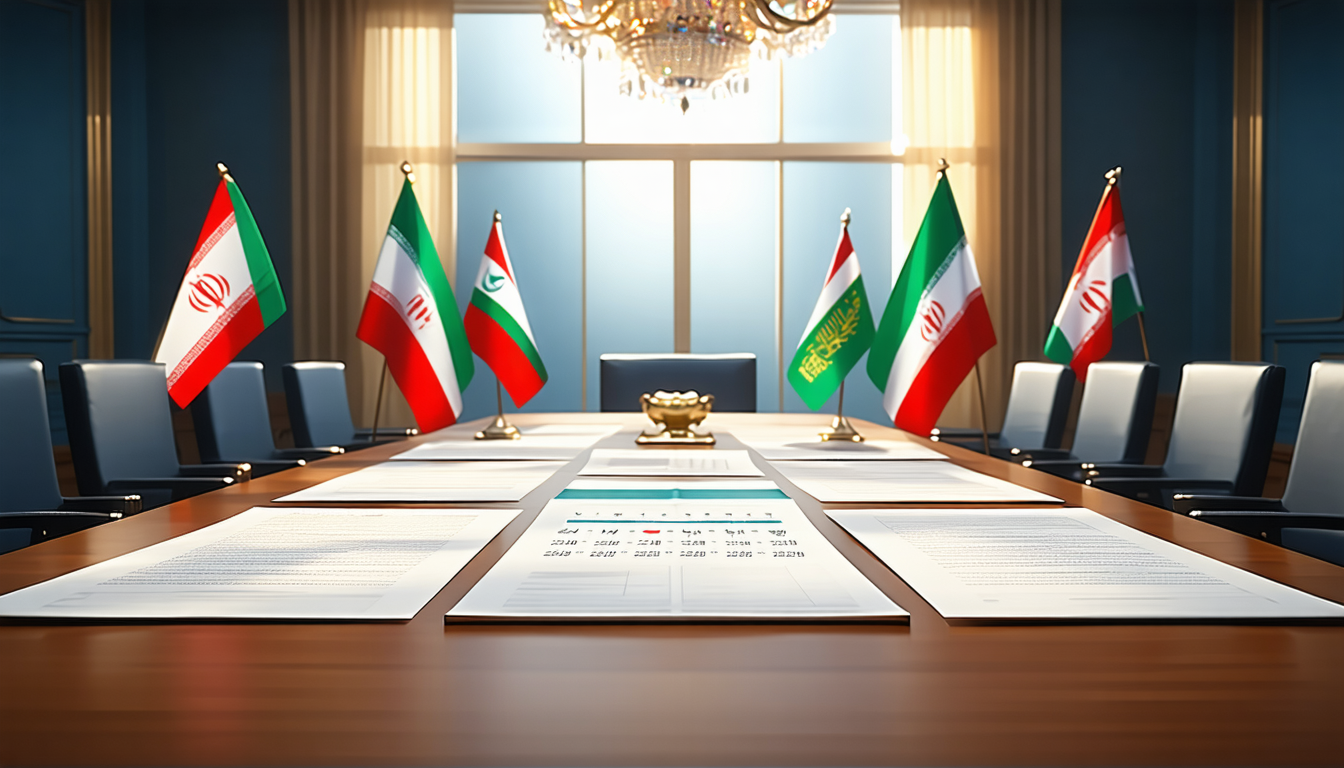
A potential turning point in U.S.-Iranian relations has emerged following revelations in the New York Times that Tehran has preliminarily consented to relinquish its stockpile of highly enriched uranium as part of a comprehensive agreement. President Donald Trump announced on Saturday that the United States has drawn near to concluding such an accord, which would bring an end to military hostilities and restore passage through the Strait of Hormuz.
Journalist Julian E. Barnes reported that the proposed deal between Washington and Tehran includes a central commitment: Iran's undertaking to dispose of its highly enriched uranium reserves, according to statements from two American officials. The White House declined to provide commentary on the matter, while Trump refrained from disclosing specific details or remaining obstacles to finalizing the arrangement.
American officials explained that the current proposal does not yet establish the precise mechanism by which Iran would eliminate its nuclear reserves, with such particulars intended for subsequent rounds of talks focused specifically on Iran's nuclear program.
Officials emphasized, however, that Iran's mere pledge to abandon this material constitutes a long-term strategic objective for the United States and remains essential to the accord's success, particularly given the prospect of Republican opposition within Congress.
Iran has not yet issued formal statements regarding the agreement Trump referenced.
According to the Times report, Tehran initially resisted including the enriched uranium matter in the first phase of understanding, seeking instead to defer it to a later negotiating phase. American negotiators, communicating through intermediaries, conveyed that Washington would withdraw from discussions and resume military operations unless a clear commitment on nuclear reserves was incorporated from the outset.
In response to this pressure, American military planners developed options in recent days for strikes against Iran's uranium stockpile, believed to be largely housed at the Isfahan nuclear facility. That site had previously sustained strikes from American Tomahawk missiles in June, resulting in portions of the enriched uranium being buried underground.
The military options under consideration included employing bunker-busting ordnance to target the Isfahan facility and attempt destruction of the buried nuclear material.
The report also noted that following last summer's American strikes, Trump examined the feasibility of a joint American-Israeli commando operation to recover Iran's uranium stockpile. However, this mission, characterized as "extremely dangerous" due to the likelihood of substantial casualties among American and Israeli forces, did not receive his final authorization.
According to International Atomic Energy Agency estimates, Iran currently possesses approximately 970 pounds of uranium enriched to 60 percent.
The Times indicated that Iran previously transferred its nuclear reserves to Russia under the nuclear agreement negotiated by the Obama administration in 2015, creating the possibility of repeating that scenario or reducing enrichment levels to degrees incompatible with weapons development.
Upcoming negotiating rounds, potentially commencing within weeks or months, are expected to address disposal mechanisms for this material and the trajectory of Iran's enrichment program. Washington has sought a 20-year freeze on enrichment activities, whereas Tehran has proposed a considerably shorter timeframe.
The report also revealed that a fundamental component of any final agreement concerns the release of billions of dollars in frozen Iranian assets held internationally. Tehran would receive the majority of these funds only upon reaching a final nuclear accord, thereby incentivizing continued participation in diplomatic channels.
This development illustrates the substantial shift occurring in American-Iranian negotiations, where enriched uranium—historically a catalyst for escalation, military conflict, and threats—is progressively becoming a central bargaining tool in efforts to reconfigure regional power dynamics.
Compare options


