Trump Pursues Diplomatic Resolution as US and Iran Near Potential War-Ending Agreement
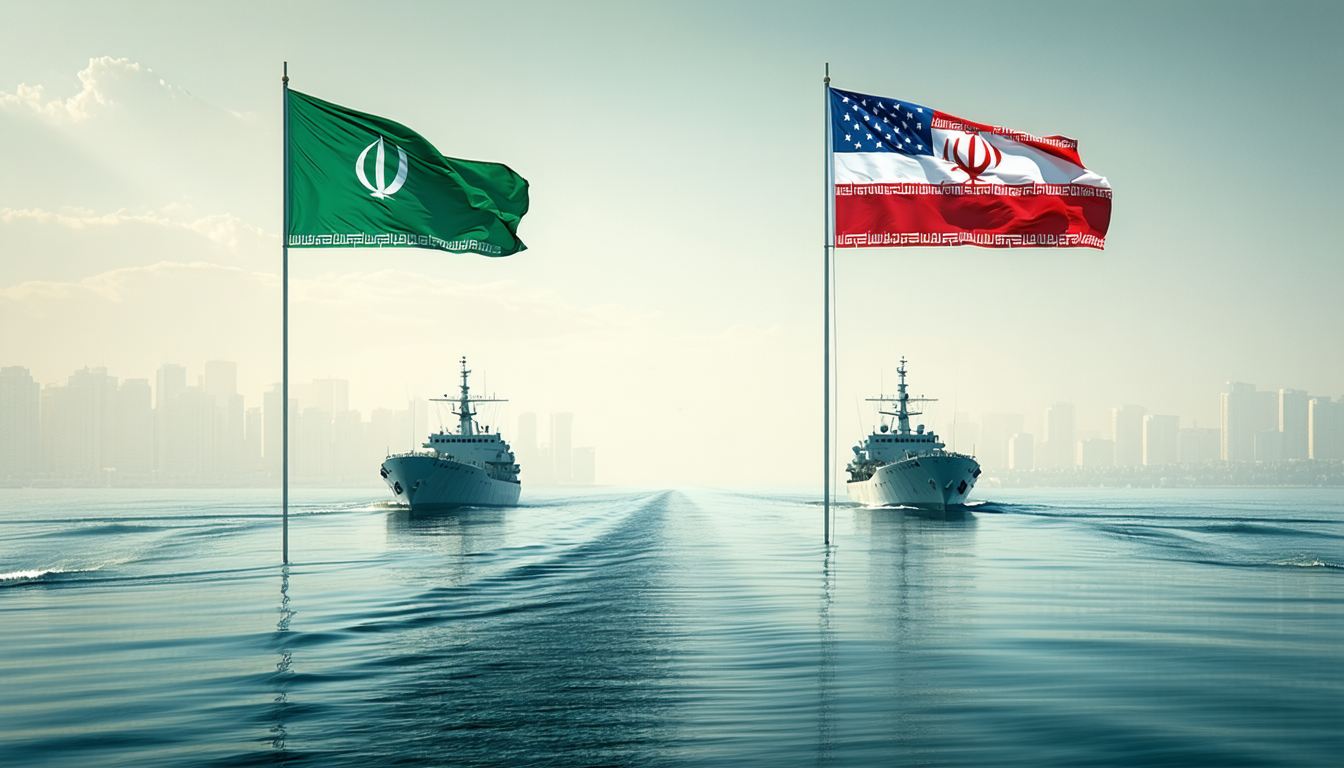
Diplomatic momentum is building toward a possible resolution of the three-month-old conflict between the United States and Iran, driven by an aggressive engagement campaign led by President Donald Trump with leaders across the Middle East and Asia.
Multiple sources have reported that Trump recently conducted a multilateral call with the heads of state of Saudi Arabia, the United Arab Emirates, Qatar, Egypt, Turkey, and Pakistan. During these discussions, several participants encouraged the US President to pursue negotiations with Tehran rather than risk further military escalation.
Fox News confirmed that Trump characterized his conversations with Middle Eastern leaders as "very positive," while details of the diplomatic push have emerged through reporting by Axios and other outlets.
An unnamed American official briefed on the talks stated that the Trump administration and Iranian leadership currently stand at an advanced stage of negotiations, though gaps remain primarily around technical and political formulations. However, the official cautioned that Trump has not yet committed to a final course of action, noting that the president continues to evaluate multiple scenarios, including the possibility of renewed military operations should talks collapse.
Trump himself has previously indicated that the probability of reaching an accord is roughly equivalent to the likelihood of military resumption, and has stated his intention to consult with his negotiating team before announcing a decision.
The US position centers on two core objectives: preventing Iran from developing nuclear weapons and securing unobstructed maritime passage through the Strait of Hormuz.
Preparations for a potential Netanyahu call are underway as Trump assesses the negotiating landscape. Additionally, Vice President J.D. Vance and Defense Secretary Pete Hegseth have been summoned to the capital for urgent consultations on Iran-related matters.
Pakistan has emerged as a key mediator alongside Qatar in efforts to narrow the gap between Washington and Tehran. Pakistani Army Commander Asim Munir departed Iran following high-level meetings there, part of Islamabad's diplomatic initiative. Pakistani officials have characterized recent progress as "encouraging" and suggestive of movement toward "a final understanding."
Preliminary drafts circulating among negotiators reportedly stem from recent talks between Pakistani and Iranian representatives. These proposals reportedly contemplate several elements: cessation of hostilities, phased reopening of the Strait of Hormuz, termination of American sanctions, and unfreezing of Iranian financial assets held abroad.
Despite the constructive tone, fundamental disagreements persist. The Iranian nuclear program remains contentious, as do the mechanisms for sanctions relief and the full restoration of shipping through the Strait of Hormuz.
Tehran has signaled receptiveness to ending the conflict but insists that Washington demonstrate comparable commitment and provide concrete assurances regarding the release of frozen funds and the removal of oil-related sanctions, according to sources who spoke with Al Arabiya. An additional source indicated that a draft agreement already exists in preliminary form but awaits final sign-off from both governments.
The administration faces mounting pressure from the prolonged conflict and its economic consequences, particularly surging oil and fuel prices that threaten global energy market stability.
The Strait of Hormuz carries approximately one-fifth of the world's seaborne oil trade, making it a critical chokepoint. Washington's stated goal is to guarantee its unrestricted access for international commerce without tolls or impediments.
Observers suggest that the immediate period ahead may prove pivotal in determining whether the region moves toward a landmark peace settlement or descends into renewed military confrontation.
Compare options


