EU Removes Tariffs on Fertilizer Imports Amid Global Price Surge
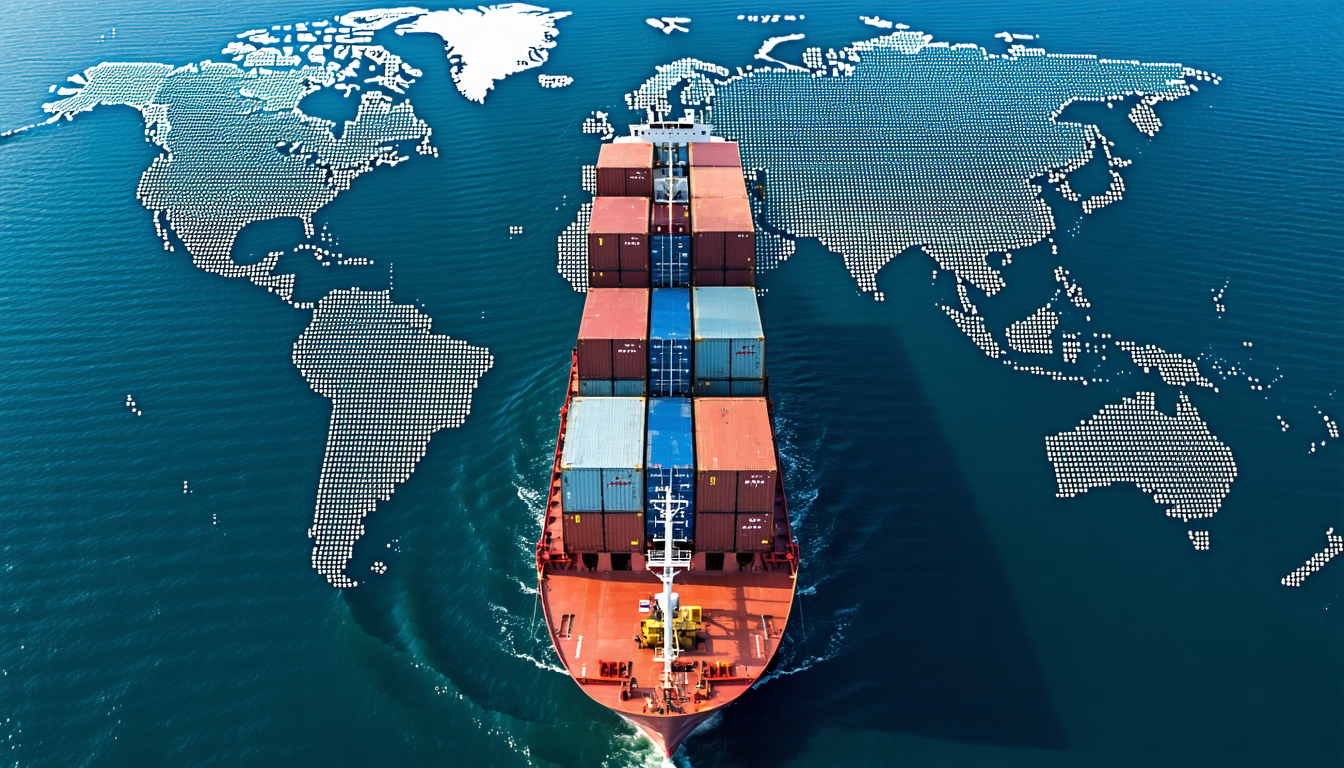
Global fertilizer markets have experienced significant price increases following the near-total closure of the Strait of Hormuz, a critical shipping corridor that handles roughly one-third of the world's fertilizer trade. Despite the European Union's limited direct reliance on Middle Eastern nitrogen fertilizers such as urea, the price escalation has rippled across the continent as nations seek replacement suppliers.
The United Nations' Food and Agriculture Organization issued a warning last month cautioning that prolonged disruption of this shipping route could trigger severe disruptions to food production and agricultural systems worldwide.
In response to the crisis, the European Council announced a temporary suspension of import tariffs on fertilizers. Notably, the duty relief does not extend to fertilizer shipments originating from Russia or Belarus. The EU typically imports substantial quantities of fertilizers at zero tariffs from nations with preferential trade status, though a considerable portion of imports currently face tariffs ranging from 5.5% to 6.5%.
Implementation of these tariff suspensions is scheduled to commence within days following official publication in the European Union's Official Journal. According to the Council statement, the bloc imported approximately two million tons of ammonia and 5.9 million tons of urea during 2024, alongside 6.7 million tons of nitrogen fertilizers and nitrogen-containing mixtures.
The European Commission emphasized that Middle Eastern suppliers represent a modest share of the Union's fertilizer imports, with direct dependence on the region standing at roughly 3% for ammonia and between 1% and 2% for nitrogen-based fertilizers.
Compare options


