Eid al-Adha Sacrifices Face Steep Price Increases Across the Arab World
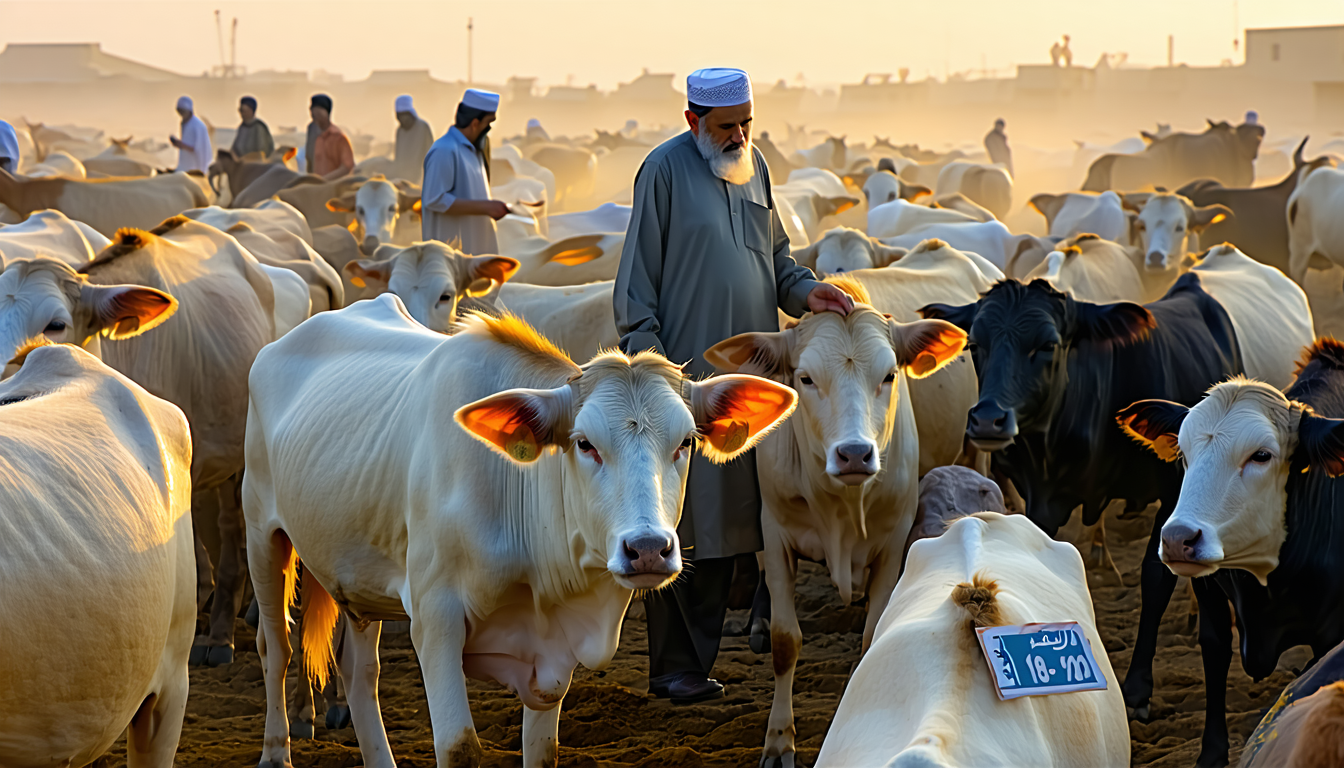
As Eid al-Adha approaches, livestock markets throughout the Arab region are grappling with significant price pressures, despite adequate supplies of sacrificial animals. Mounting expenses for animal feed, fuel, electricity, veterinary services, and labor are squeezing both producers and consumers, while geopolitical disruptions continue to affect import routes and shipping costs.
Consumer behavior is shifting noticeably in response to these elevated prices. Growing numbers of families are opting for smaller sacrifices, pooling resources with neighbors to share animals, or postponing their purchases until the final days before the holiday, when merchants may offer discounts to clear remaining inventory.
Egypt's Rising Costs
Egypt's sacrificial animal markets are experiencing substantial price escalation this season. Feed costs have surged dramatically, with soybean and corn prices climbing more than 30% according to Mohamed Salah, a sheep trader in Giza Governorate with over 12 years of industry experience. Veterinary expenses and medications have increased by approximately 15%, while labor costs have doubled—workers' daily wages have risen from 100 Egyptian pounds ($1.88) to 200 pounds ($3.75).
Veterinarian Mohamed Imad reports that meat prices themselves have jumped roughly 20%, with a kilogram now fetching approximately 470 pounds ($8.80), up from between 380 and 400 pounds ($7.10-$7.50) just two months prior. These increases stem from elevated feed costs, energy expenses, transportation, veterinary care, and import disruptions from Sudan due to ongoing conflict there.
To manage supply and stabilize prices, Egypt's Ministry of Agriculture has released over 158,000 head of cattle, sheep, and camels alongside 165,000 tons of meat and related products. The ministry also provided approximately 15,000 "municipal sacrifices" at subsidized rates: 190 pounds per kilogram for cattle ($3.56), 160 pounds for buffalo ($3.00), 220 pounds for sheep ($4.13), 240 pounds for goats ($4.50), and 200 pounds for camels ($3.75).
Jordan's Controlled Market
Jordan's sacrificial markets feature abundant supplies of both domestic and imported sheep, though prices are projected to climb by up to 10% compared to the previous year. The Jordanian Ministry of Agriculture attributes the rise in local meat prices primarily to increased feed costs. The government has implemented measures restricting sheep exports to Gulf nations to maintain local market abundance and contain prices before the holiday.
Zaal Al-Kawalit, head of the Livestock Breeders Association, indicates that locally-raised lamb averages approximately 5.5 dinars per kilogram ($7.75), putting a 50-kilogram lamb at roughly 275 dinars ($388). Breeding expenses have climbed due to higher prices for corn, soybeans, energy, veterinary services, and labor, while years of drought have degraded pasture quality and discouraged livestock expansion.
Romanian and Syrian sheep are also available in Jordanian markets, though imported stock commands higher prices. Romanian lamb reaches approximately 6 dinars per kilogram ($8.46) due to elevated shipping, insurance, and global demand pressures.
Meat trader Samir Al-Masarwa confirms self-sufficiency and clear market abundance, noting approximately 10% price increases from previous years. Fellow trader Nabil Abu Saqr observes minimal changes in buyer behavior aside from reduced demand, with many families postponing purchases until the final pre-Eid days hoping for price reductions as merchants seek to liquidate surplus inventory.
Mahmoud Al-Oran, head of the Jordanian Farmers Union, suggests that certain price increases appear "unjustified," implying that speculative traders may be artificially inflating market prices.
Lebanon's Import Dependency
Lebanon faces particular challenges due to its dependence on imports for livestock and feed supplies. Livestock breeder Abdel Samih explains that breeding costs have risen substantially, with feed now consuming over 60% of total production expenses. Increases in fuel, electricity, and veterinary medicine costs have compounded operational burdens, while gasoline prices reaching approximately $0.91 per liter in March 2026 have escalated transportation and distribution expenses.
Import disruptions at border crossings and land routes further inflate transportation and storage costs, ultimately raising consumer prices. Though markets show relative abundance from continued imports and local production, prices remain disconnected from average purchasing power.
Youssef Abu Hamza, a butcher shop owner, reports lamb prices at approximately $6 per kilogram, translating to roughly $330 for a 55-kilogram animal, with some calves exceeding $2,000. Livestock seller Hussein Al-Ali confirms that elevated prices have prompted many families to reduce sacrifice size or share purchases among multiple households. Numerous customers are merely inquiring about prices without committing to purchases, while others wait until the final pre-Eid period hoping for price declines. Sheep prices currently range between $270 and $300—figures substantially beyond the reach of many families relative to their income levels.
Compare options


