Study Confirms Wired Charging Outperforms Wireless in Speed and Efficiency
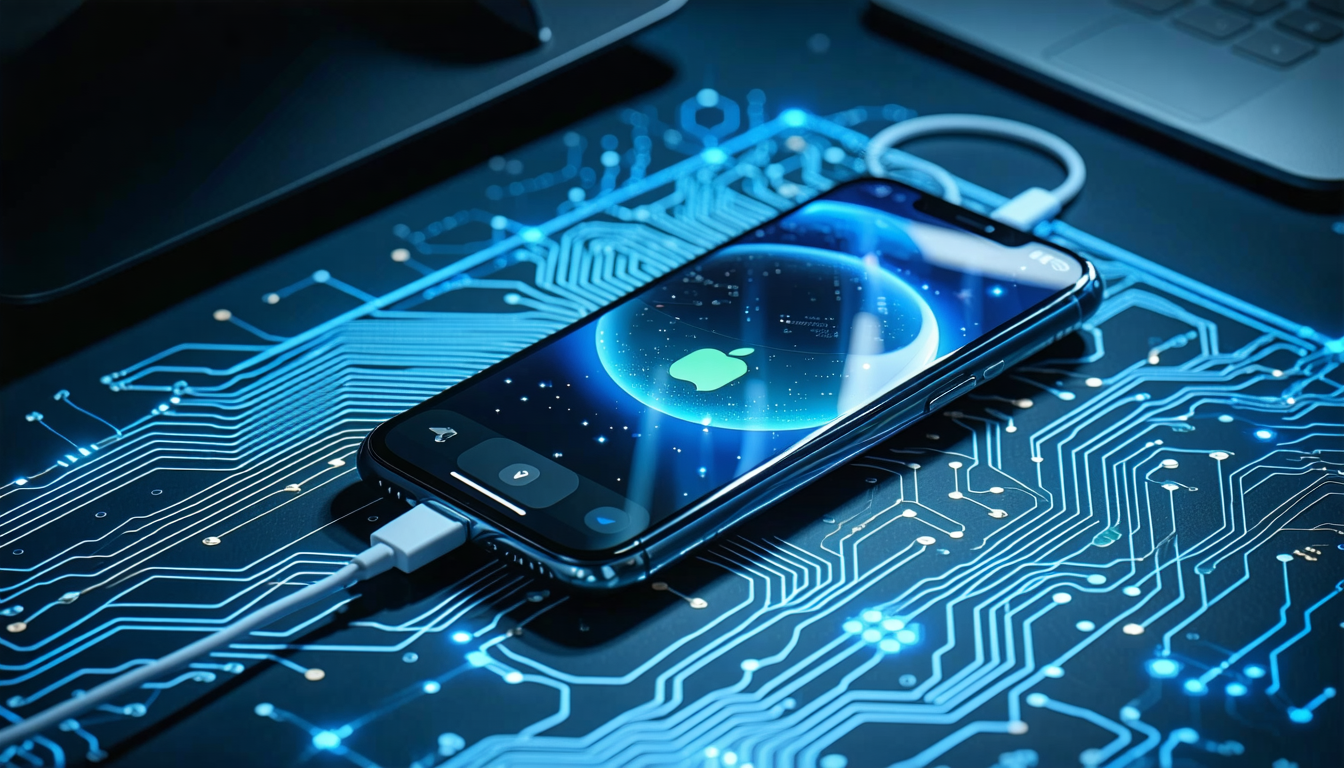
A new technical analysis has clarified a common misconception about smartphone charging: simultaneous use of both wired and wireless charging is not as beneficial as many users assume.
Modern smartphones feature an intelligent power management system that determines the optimal charging method. When a device is plugged into a USB cable while sitting on a wireless charger, the phone's circuits automatically engage wired charging and disable wireless charging functionality.
This automatic selection reflects a fundamental engineering principle: wired charging delivers faster speeds and greater efficiency than wireless alternatives. The device's power circuits are engineered to prevent conflicts between competing power sources and safeguard against potential system failures.
The Heat Problem
Experts warn that attempting to use both charging methods simultaneously would generate excessive heat within the device. Heat represents one of the most critical factors affecting long-term battery health and performance. Recognizing this risk, manufacturers have programmed phones to block dual-charging scenarios, thereby protecting battery integrity and internal components from thermal damage.
Practical Applications for Each Method
While true dual charging remains unavailable on most current devices, each charging approach serves distinct purposes. Wired charging proves ideal when users require a rapid power boost, whereas wireless charging offers superior convenience for everyday use—particularly during work sessions or overnight charging. Many users adopt a hybrid strategy: relying on wireless chargers to maintain their phone's charge while working at a desk, then switching to cable charging when speed becomes necessary.
Why Simultaneous Charging Remains Problematic
Even if phones were designed to accommodate both methods, the consequences would prove detrimental. Dual charging would cause device overheating, place additional strain on battery cells, reduce overall charging efficiency, and potentially shorten battery lifespan significantly. These risks explain why contemporary phone designs explicitly prevent this scenario.
The most effective approach remains using each charging method strategically: wired charging for situations demanding speed, and wireless charging for everyday convenience.
Compare options


