Eid Sacrifices Become Luxury as War and Economic Crisis Grip Lebanon's Meat Markets
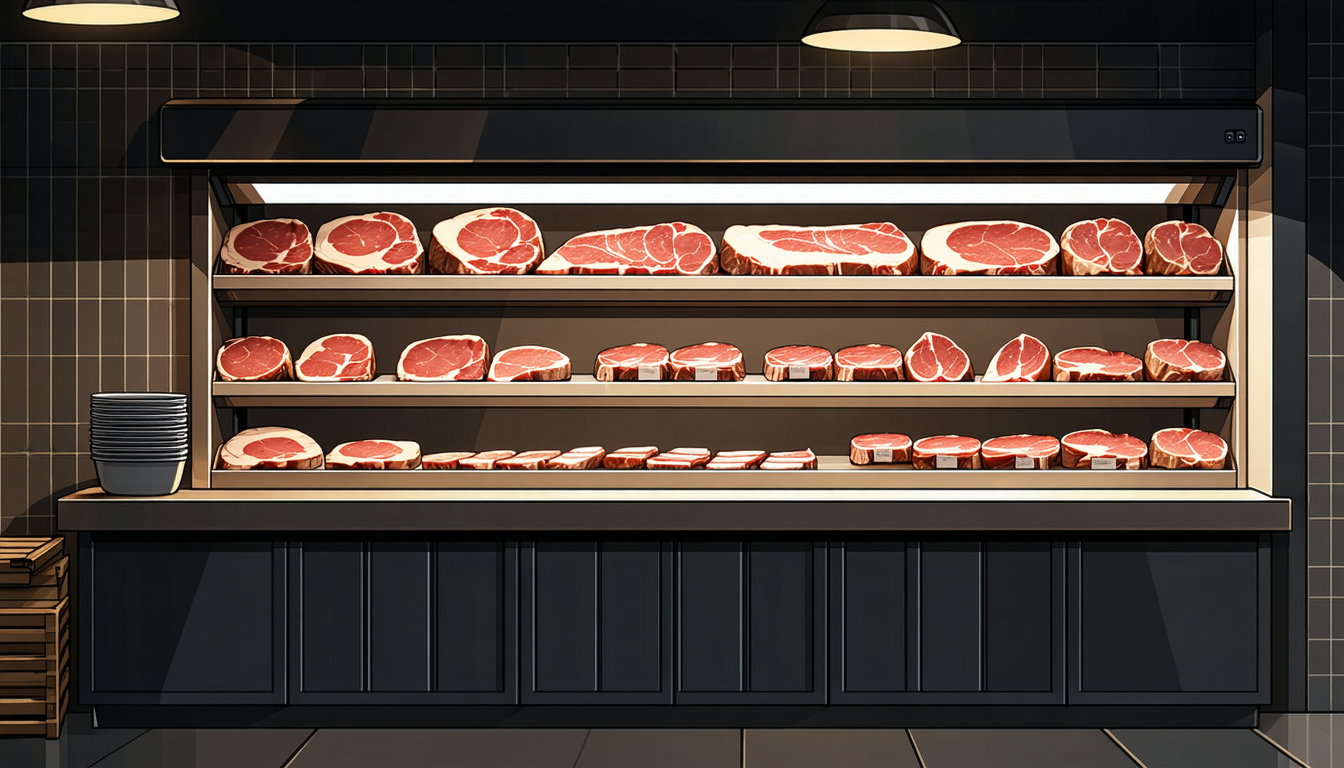
As Eid al-Adha draws near, Lebanon's meat markets reveal the profound strain of simultaneous warfare and prolonged financial collapse. What was once a customary religious and social observance has transformed into a financial challenge that many Lebanese households can no longer manage, with prices climbing steeply while buying capacity continues to erode.
Observers documenting activity in butcher shops and livestock farms have documented the convergence of civilian hardship with the effects of Israeli aggression and years of financial instability. Industry participants worry that this Eid season will prove subdued, with numerous families unable to participate in the traditional sacrifice ritual.
Butchers continue operating despite mounting costs for both animals and meat products. The elevated price structure directly constrains sales volumes and consumer purchasing capacity, particularly as household incomes stagnate and living expenses accelerate across recent months.
Butcher Abdul Qader Hamiyah characterizes the nation's circumstances as "very difficult," noting substantial increases in livestock and meat pricing that have dampened commercial activity. Despite efforts by butchers to accommodate the challenging circumstances of local residents and displaced populations, the market remains constrained.
Hamiyah observes that prior years saw robust demand for sacrificial animals, with bookings commencing weeks before the holiday. This year presents a markedly different picture, with demand declining sharply due to financial pressures and historically unprecedented price movements.
The crisis extends beyond the butchering profession to impact ordinary citizens navigating daily food price fluctuations within an environment of conflict and economic deterioration that intensifies widespread anxiety and distress throughout Lebanese communities.
Resident Sobhia Rakan notes that prices shift continuously, emphasizing that holidays now carry an atmosphere of "oppression and sadness" for Lebanese families. She highlights that low-income and vulnerable populations face the most severe consequences of price escalation and eroding living standards.
Rakan adds that Lebanese encounter new price increases regularly, with the combination of military conflict and financial collapse creating circumstances where many have resigned themselves to endurance while awaiting conditions that might alleviate their mounting difficulties.
Resident Umm Salem Damj characterizes Lebanon's economic landscape as having become "unbearable," pointing to price increases affecting all regions and social demographics, alongside declining capacity to secure fundamental necessities for families.
Butcher Muhammad Ghazi Ramadan notes that sales maintain modest momentum due to displaced populations concentrated in certain localities, though financial strain has prompted widespread reductions in meat consumption and expenditure generally.
Ramadan indicates that sacrificial demand persists at varying intensities but anticipates sheep prices will climb during the Eid period following increased purchasing interest, warning that military operations and their consequences may drive prices even higher in coming weeks.
Retirees comprise a particularly vulnerable demographic, having experienced substantial erosion of purchasing strength as pension payments prove insufficient for fundamental requirements amid the sustained escalation of market prices throughout the country.
Retiree Bassem Al-Maoush has turned to raising sheep as a post-retirement income strategy to navigate deteriorating living conditions. He observes that elevated prices have discouraged many potential buyers from acquiring sacrificial animals this season.
Al-Maoush indicates that lamb prices have reached approximately $7.25 per kilogram, rendering the purchase of a sacrificial animal prohibitively expensive for numerous families, particularly given declining earnings and perpetually rising costs across daily necessities.
Al-Maoush believes participation in sacrifices this year lags significantly behind historical patterns, with many Lebanese increasingly viewing the practice as an unmanageable financial obligation given what he describes as "extremely stressful" economic circumstances.
Compare options


