Can the Israel-Hezbollah Truce Survive? Questions Mount Over "Freedom of Action" and Long-Term Peace
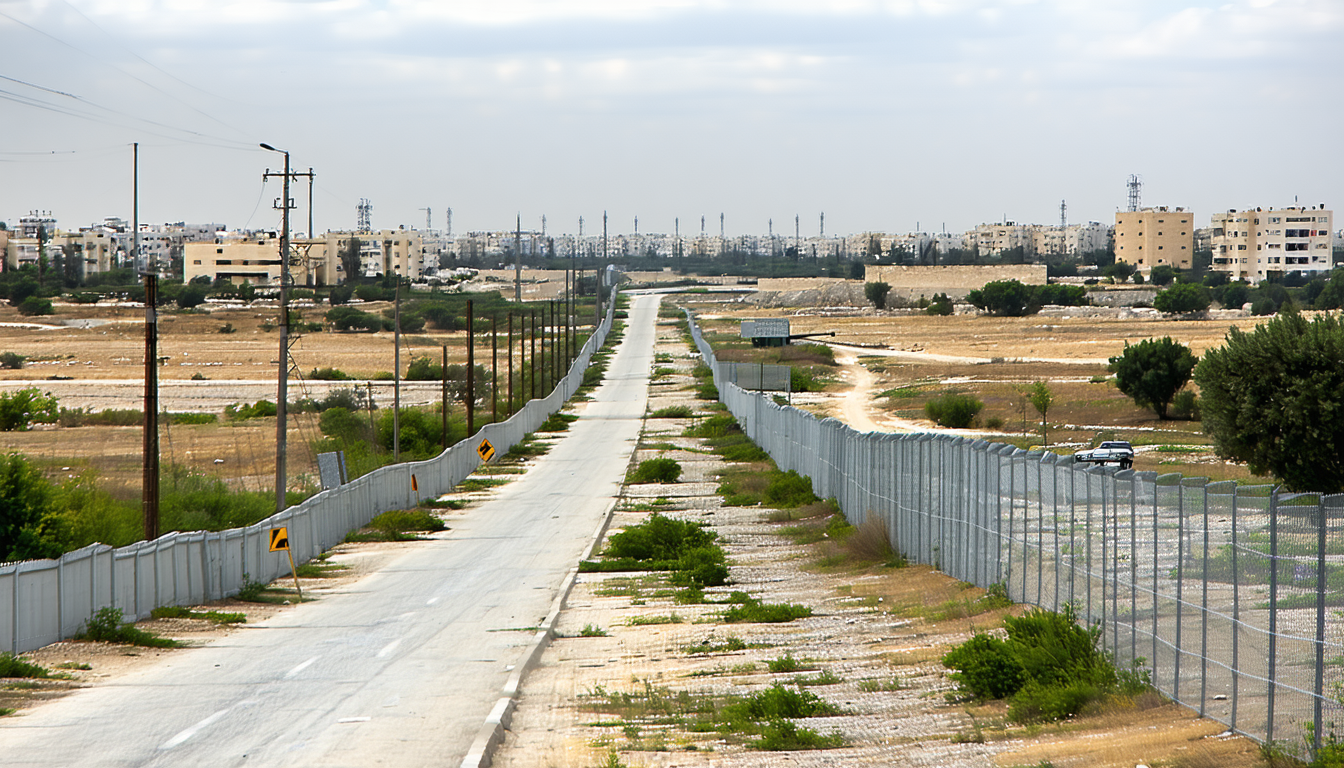
The fresh 45-day extension of the ceasefire between Israel and Hezbollah has reignited critical questions about Lebanon's prospects for establishing a durable peace arrangement. Observers are divided on whether the current pause represents a genuine pathway toward stability or merely a continuation of limited, controlled military clashes under different terms.
As American diplomatic efforts intensify to broaden the truce framework, concerns persist about the sustainability of the arrangement. The United States faces a delicate balancing act—maintaining Israel's operational capacity while avoiding full-scale escalation, and simultaneously offering political concessions to the Lebanese government to keep negotiations viable.
The central tension driving uncertainty centers on what analysts describe as Israeli "freedom of action" within Lebanese territory. While Hezbollah has refrained from resuming the assassinations and large-scale raids that preceded the initial ceasefire, Israel has maintained its right to conduct operations, particularly in southern Lebanon. This asymmetry sits at the heart of ongoing negotiations.
According to military and strategic analysis, the extended truce essentially perpetuates the existing pattern of controlled conflict rather than establishing genuine cessation. Combat has become largely confined to the southern Lebanese strip between Sidon and the border, with Beirut, the southern suburbs, and the Bekaa valley nominally excluded—though Israel reserves the authority to strike these areas if it determines a threat exists based on its own assessment.
The military dynamics on the ground reflect this constrained framework. Israeli forces have conducted intensive air operations alongside limited ground movements, met by Hezbollah with measured but consequential responses, including assault drone strikes and explosive devices that have inflicted casualties on Israeli troops. This pattern of attrition continues, with Israeli military operations expanding in scope and destructive capacity.
Complicating any resolution are the absence of direct negotiations between the parties. Israel and Hezbollah communicate only through intermediaries, and their fundamental positions remain incompatible. Hezbollah frames any military action as legitimate resistance while Israeli forces occupy Lebanese soil, while Israel conditions any permanent cessation on Hezbollah's complete disarmament.
The regional dimension looms large over bilateral prospects. Any durable settlement remains contingent on broader geopolitical developments, particularly the trajectory of U.S.-Iran relations. Lebanon's fractured domestic situation means the country remains essentially dependent on external powers to determine its security environment. The United States, while presenting itself as a mediator, functions more as Israel's strategic partner in regional confrontation with Iran, observers note.
The most pressing current impediment to stability appears to be Israeli operational latitude. Military experts suggest Hezbollah might halt its operations if Israeli military activity ceased completely, but the organization remains unwilling to return to the pre-March 2 period when Israel conducted routine assassinations and raids. This refusal to accept the status quo ante remains a critical sticking point.
Diplomatic pressure from Washington represents perhaps the only genuine mechanism capable of moderating the conflict's trajectory, analysts argue. Whether the United States will apply such pressure with sufficient seriousness to prevent renewed escalation remains uncertain. Given the fragility of the current arrangement and its subordination to regional power dynamics beyond Lebanon's control, all scenarios remain possible—including a return to pre-extension hostility levels or potentially more intensive conflict.
Compare options


