Iran's Oil Exports Face Mounting Pressure as Tanker Backlog Grows
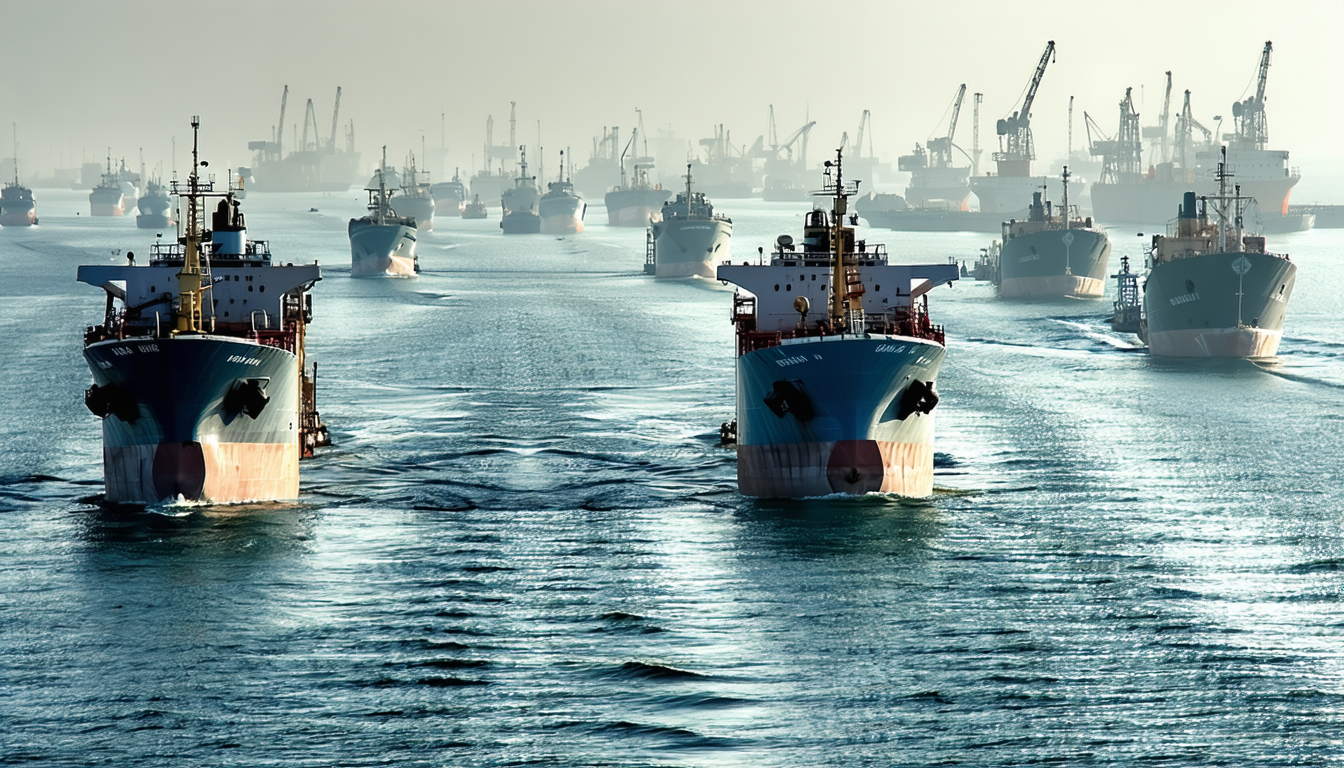
A substantial backlog of Iranian oil shipments is building in the Persian Gulf as American sanctions tighten their grip on Tehran's energy sector. According to monitoring data from the United Against Nuclear Iran organization, approximately 39 oil and petrochemical-laden tankers are currently anchored in Gulf waters—a sharp increase from the 29 vessels present before the U.S. imposed its blockade on April 13. The concentration is particularly notable near Kharg Island, Iran's primary oil export terminal.
The situation extends beyond the main Gulf corridor. An additional 13 tankers suspected of carrying Iranian crude are positioned near Chabahar port in the Gulf of Oman, situated east of the Strait of Hormuz. These vessels fall under the expanding reach of American naval enforcement operations.
The escalating restrictions reflect Washington's deliberate strategy to intercept or detain ships suspected of transporting Iranian oil, effectively strangling Tehran's capacity to sell its primary export commodity on international markets.
Before the recent military tensions intensified, Iran maintained monthly exports ranging between 40 and 60 million barrels—roughly 2 percent of worldwide supply—relying on a fleet of aging tankers that already operate under Western sanctions restrictions, according to reporting from the Financial Times.
The accumulation of crude represents Tehran's attempt to prevent a complete production shutdown despite mounting pressure from the blockade. The oil crisis intensifies as storage facilities strain under the weight of unsold inventory.
Sanam Vakil, director of the Middle East and North Africa Program at Chatham House in London, characterized Iran's position as one focused on avoiding the catastrophic scenario of total export cessation. Such an outcome would severely damage government revenues and place additional strain on an already stressed economy.
Compare options


