NASA Advances Mars Helicopter Technology with Supersonic Rotor Blade Tests
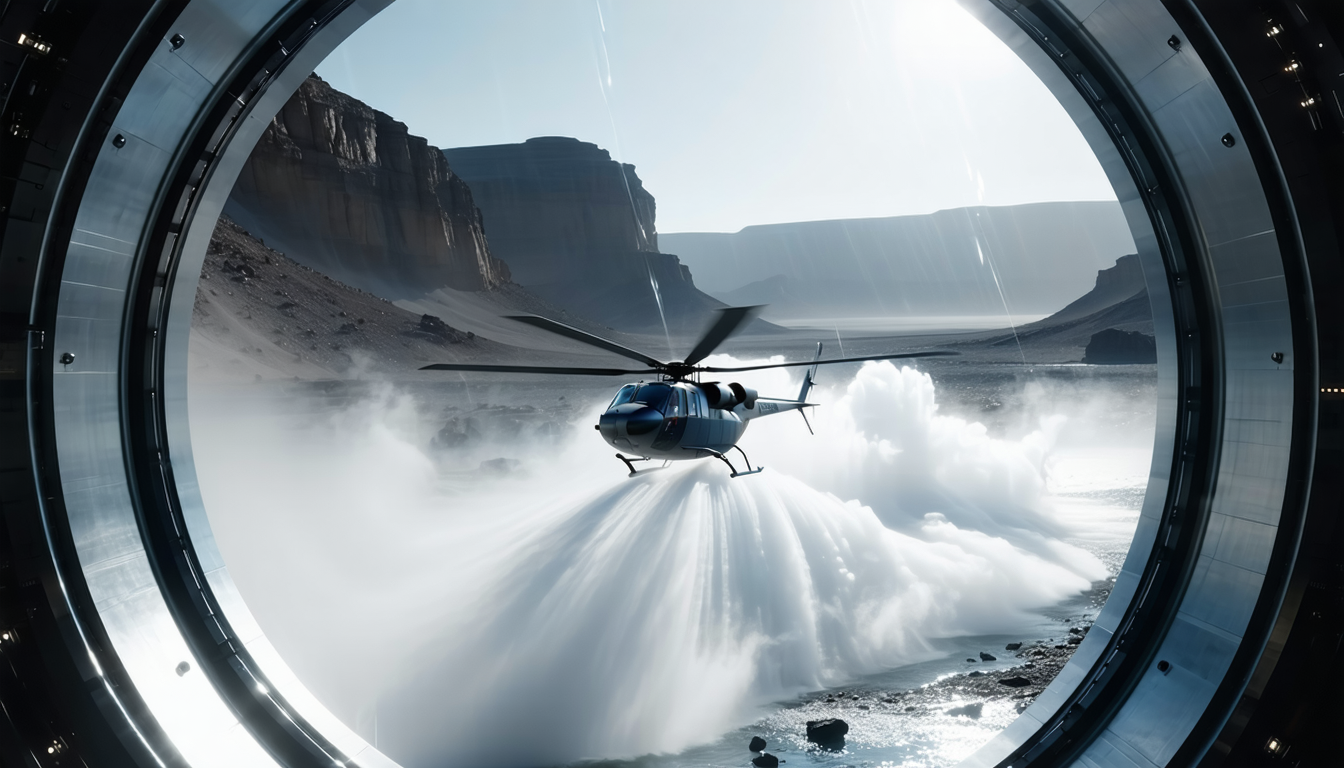
NASA is pushing forward with the development of next-generation helicopters designed to operate in Mars' thin atmosphere, with researchers achieving a significant breakthrough in rotor blade design.
Scientists at the Jet Propulsion Laboratory in California have successfully tested innovative rotor blades that spin at supersonic speeds at their tips. The experiments took place within a specialized testing facility that replicates Martian atmospheric conditions by substituting standard air with low-density carbon dioxide.
Over the course of 137 experimental trials, engineers gathered encouraging results that point toward a 30% increase in the helicopter's lifting capacity. This advancement would enable future aircraft to transport heavier payloads—including more sophisticated scientific instruments, expanded battery systems, and extended flight ranges across the Martian surface.
The development represents a critical step forward in NASA's long-term objectives for Mars exploration, where aerial vehicles could provide unprecedented access to terrain and expand the scope of scientific investigations on the Red Planet.
Compare options


