Uncertain Path Forward: American Military Proposal Faces Political Obstacles in Lebanon
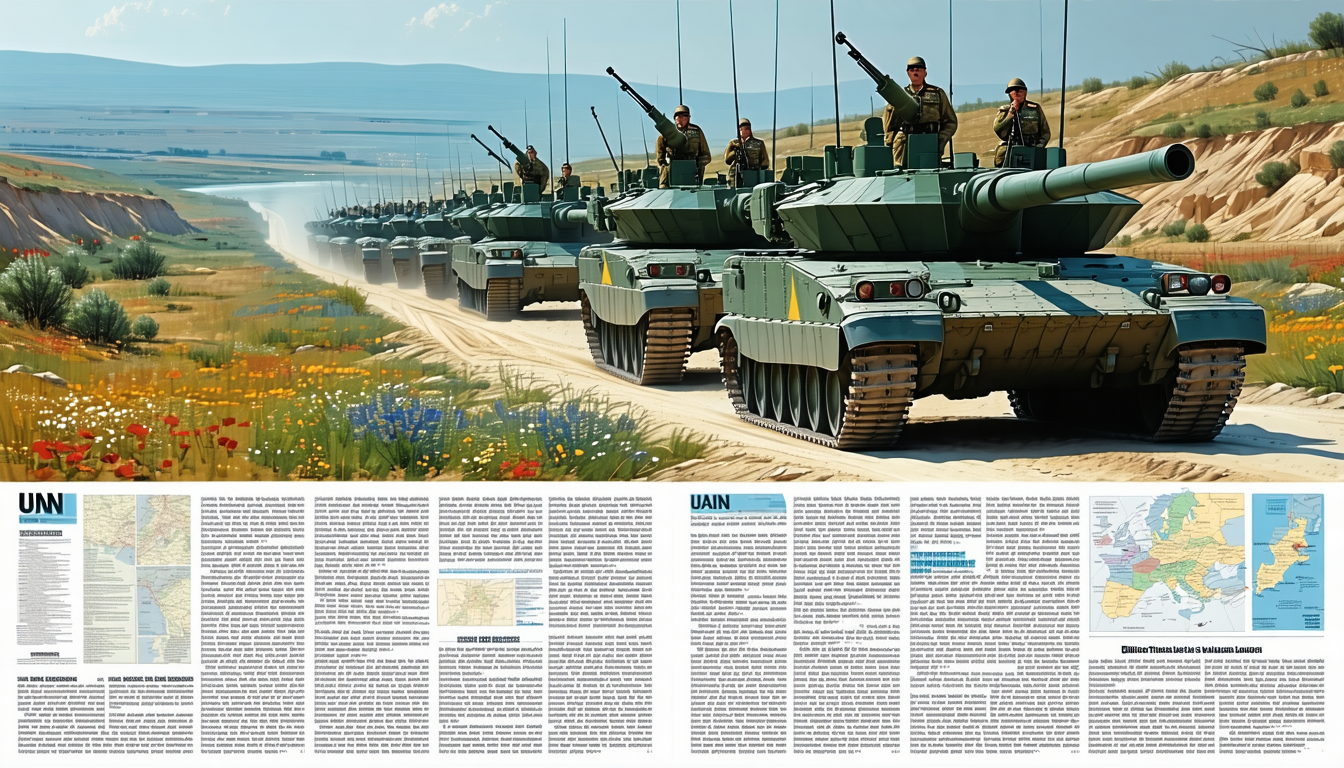
A renewed American initiative seeks to create a specialized military unit equipped with U.S. weapons and advanced technology, designed to enforce UN Resolution 1701 by deploying Lebanese forces south of the Litani River and dismantling Hezbollah's arsenal. While Washington's objectives appear straightforward—diminishing the party's power and bolstering state authority—the proposal confronts substantial obstacles rooted in domestic politics, public sentiment, and concerns about external pressure and potential armed confrontation with the militant organization.
Military deployment in the south remains fundamentally tied to political calculations and internal equilibrium rather than external support alone. Retired Brigadier General Naji Mulaeb drew attention to recent remarks by U.S. Secretary of State Marco Rubio following Washington negotiations last week, in which Rubio stated that "a special squad from the Lebanese army should be trained to be able to implement the government's decision to disarm Hezbollah."
Mulaeb emphasized the significance of Rubio's statement to observers, particularly if Lebanon's Defense Ministry acts on it. The proposal to train a specialized unit extends beyond simple southern deployment and raises fundamental questions about the military's intended mission. Mulaeb cautioned that premature discussion of army deployment south remains unwise given Israel's ongoing military campaign.
More troubling than the American initiative, Mulaeb warned of anticipated "security surprises" in the southern region before month's end—the deadline Washington established for launching security negotiations. Israel, he suggested, aims to expand its territorial control in the south to strengthen its negotiating position and create additional leverage through expanded occupation beyond current holdings.
Military discussions in Washington are examining a comprehensive arrangement for the period following the International Emergency Forces (UNIFIL) departure, whose mandate expires at year's end. Notably, UNIFIL has begun equipment removal months ago and already transferred a quarter of its personnel from Lebanon, with additional withdrawals imminent—a development signaling diminished operational capacity and mounting questions about the force's continued relevance.
Critical uncertainties persist, as Mulaeb outlined: "Who will replace the international emergency forces in coming months? Will the Lebanese army deploy along the border only after Israel rebuilds demolished infrastructure, or will it resume full regional control under Resolution 1701 with combat responsibilities while international forces provide support? Will replacement forces arrive through a Security Council decision under Chapter Seven, or through an international coalition operating outside the Council, as occurred in Gaza?"
The Lebanese Army has proposed a more pragmatic alternative, calling for recruitment of 1,500 additional personnel financed internationally, with long-term expansion to 6,000 personnel contingent on resource availability. Yet financial constraints severely limit implementation. Current international funding reaches approximately $200 million, while genuine requirements exceed one billion dollars. This substantial shortfall renders the army's proposal feasible but constrained in impact without supplementary funding and internal political alignment.
The American proposal to establish a specialized brigade ultimately reflects international ambitions rather than a realistic Lebanese implementation strategy. While the military seeks capability enhancement within existing constraints and limited international support, financial and political hurdles make substantial southern deployment contingent on a broader agreement whose parameters will emerge during the May 29 Washington negotiations.
Compare options


