Global Corporate Losses Mount as Iran Conflict Disrupts Markets and Supply Chains

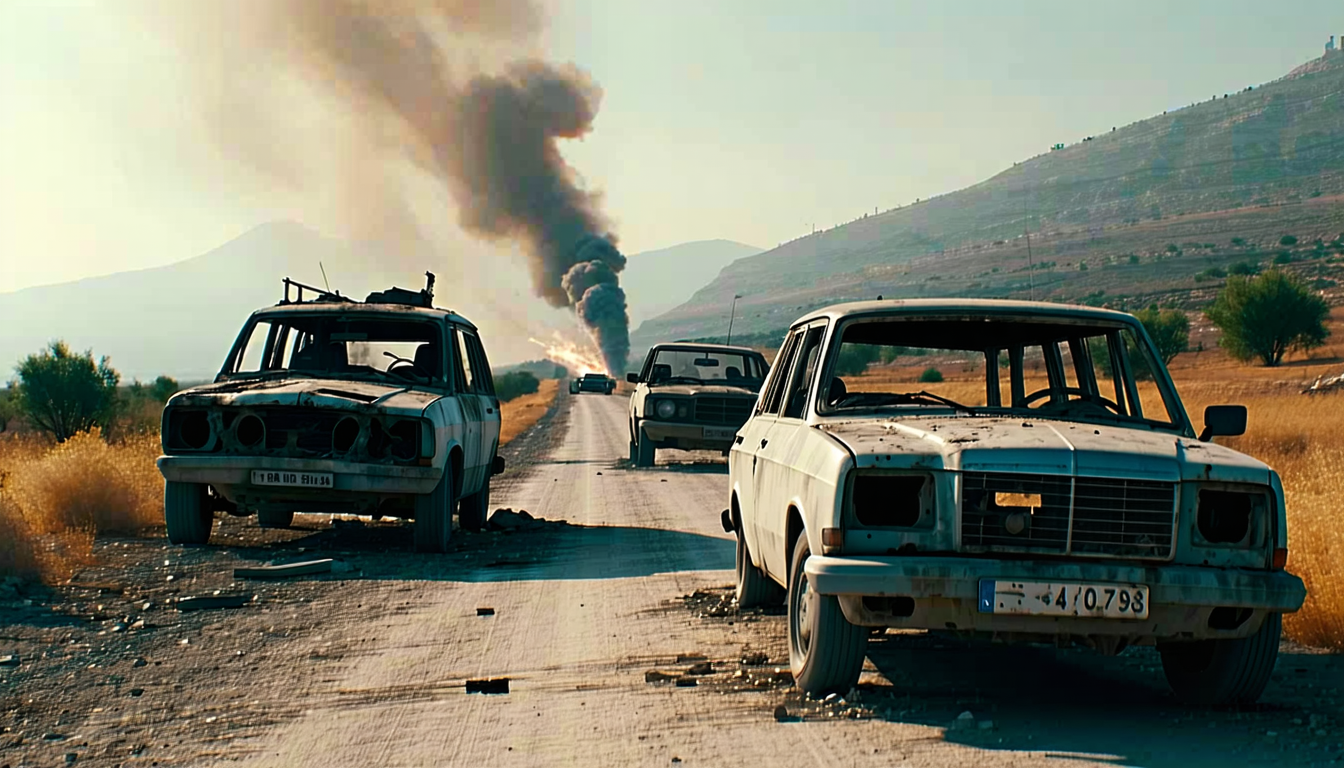
The economic fallout from the Iran conflict is becoming increasingly visible in corporate balance sheets worldwide. A comprehensive review of companies traded in American, European, and Asian markets paints a sobering picture marked by energy price spikes, fragmented supply chains, and compromised shipping corridors following Iran's control over the Strait of Hormuz.
At least 279 corporations have publicly attributed recent financial difficulties to the conflict, prompting them to implement protective strategies. These measures have included price increases, production cutbacks, suspension of dividend payments and share repurchase programs, workforce furloughs, additional transportation surcharges, and appeals for emergency government assistance.
The timing compounds existing vulnerabilities. Companies remain jittery following consecutive shocks—the coronavirus pandemic and the Ukraine conflict—that left little room for recovery. With no clear diplomatic resolution in sight, corporate caution has deepened as the year progresses.
Mark Bitzer, chief executive of Whirlpool, offered a stark assessment after his company slashed annual projections by half and halted dividend distributions. He characterized the current industrial slowdown as comparable to the 2008 financial crisis, occasionally surpassing downturns from other recessions in severity.
Multinational giants have sounded similar alarms. Procter & Gamble, Karex—Malaysia's leading condom manufacturer—and Toyota have all flagged mounting war-related expenses as the conflict entered its third month.
Energy disruptions form the core of the crisis. The Strait of Hormuz closure pushed crude oil beyond $100 per barrel, representing more than a 50 percent jump from pre-conflict levels. This shock rippled through logistics fees, raw material costs, and essential commodities including fertilizer, helium, aluminum, and polyethylene.
One-fifth of the companies analyzed—spanning cosmetics, tire production, cruise operations, and aviation—disclosed war-driven financial losses. European and British firms dominated this group, reflecting their already-elevated energy expenses, while roughly one-third hailed from Asia, underscoring regional dependence on Middle Eastern petroleum supplies.
The aviation sector carries the heaviest burden, with estimated losses approaching $15 billion as jet fuel prices nearly doubled. Toyota projected a $4.3 billion financial impact, while Procter & Gamble calculated after-tax losses of approximately $1 billion.
Quick-service restaurants joined the affected industries. McDonald's warned of persistent inflationary pressure from ongoing supply disruptions, noting that elevated fuel costs are constraining purchasing power among budget-conscious consumers.
Within industrial, chemical, and manufacturing sectors, approximately 40 companies announced price increases to offset petrochemical exposure from Middle Eastern sources. According to Newell Brands' chief financial officer, every $5 increase in oil barrel prices translates to roughly $5 million in additional costs.
Continental, the German tire manufacturer, anticipates at least a €100 million loss during the second quarter stemming from oil price escalation and raw material cost inflation, with intensified effects anticipated in the latter half of the year.
Despite robust first-quarter earnings that helped major indices like the S&P 500 reach record levels, financial analysts caution that the deepest losses have yet to materialize in quarterly filings. As economic expansion moderates, companies' leverage to shift higher costs onto consumers may diminish, threatening profit margins from the second quarter onward.
FactSet metrics reveal declining profit margin expectations for the S&P 500's industrial, consumer staples, and consumer discretionary sectors in the second quarter. Goldman Sachs researchers similarly forecast that European STOXX 600 index companies will encounter intensified margin pressures beginning in the second quarter, as pricing power fades and currency hedging protections expire.
What began as a regional disruption centered on maritime chokepoints and energy markets has evolved into a comprehensive earnings crisis spanning transportation, commodities, and consumer spending. Each passing month of conflict makes the economic consequences harder to contain, with implications stretching into wages, consumer prices, and corporate profitability.
Compare options