Chinese Smartphone Makers Brace for Widespread Price Increases Amid Memory Chip Shortage
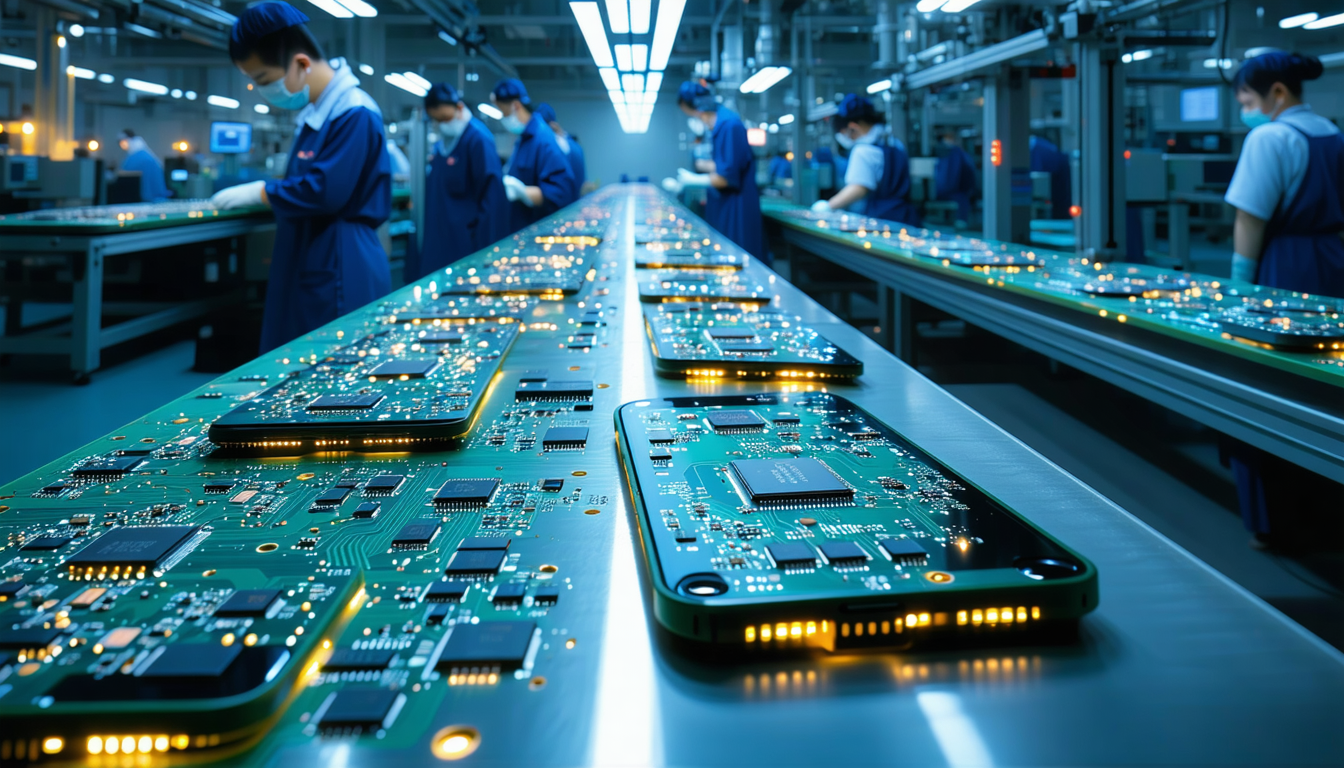
Memory chip costs are driving a significant shift in smartphone pricing across China's mobile device sector, with manufacturers warning of substantial increases ahead for conventional flagship models.
During a recent live broadcast, Xiaomi's leadership addressed the mounting pressure on the industry, citing surging costs for DRAM and NAND Flash memory as primary drivers of the pricing changes. The company noted that rising component expenses have made it increasingly difficult for manufacturers to absorb costs without passing increases to consumers.
The pricing challenge is particularly acute for traditional "Candybar" design phones, which are expected to see notable price increases in the coming months. To illustrate the potential magnitude of these changes, the Xiaomi 17 Ultra launched in December at a starting price of 6,999 yuan (approximately $980) for the 12 GB + 512 GB configuration—a figure that could serve as a baseline for comparing future price levels.
Industry observers anticipate that memory chip supply constraints will persist well into 2027 and potentially through 2028. The establishment of new production facilities requires years before becoming operational, while global demand continues climbing, particularly from artificial intelligence and high-performance computing sectors. This extended timeline suggests that smartphone pricing pressures will remain a factor for years to come.
Beyond Xiaomi, competitors including Oppo, Vivo, and Honor face identical cost pressures stemming from elevated global component prices. These market-wide challenges are fundamentally reshaping how manufacturers approach pricing strategies.
The sector's attention is currently focused on the upcoming Xiaomi 17 Max launch scheduled for May. The device is expected to feature a 6.9-inch display, Snapdragon 8 Elite Gen 5 processor, a 200-megapixel Leica main camera, and an 8000 mAh battery.
Despite the cost pressures, Xiaomi has emphasized its commitment to delivering competitive value propositions to consumers. However, a critical question looms over the market: whether Chinese consumers will accept prices potentially exceeding 10,000 yuan, a threshold that could fundamentally reshape the landscape of China's smartphone market.
Compare options


