Minister Morcos Urges Responsible Expression as Lebanon Grapples with Social Media Abuse
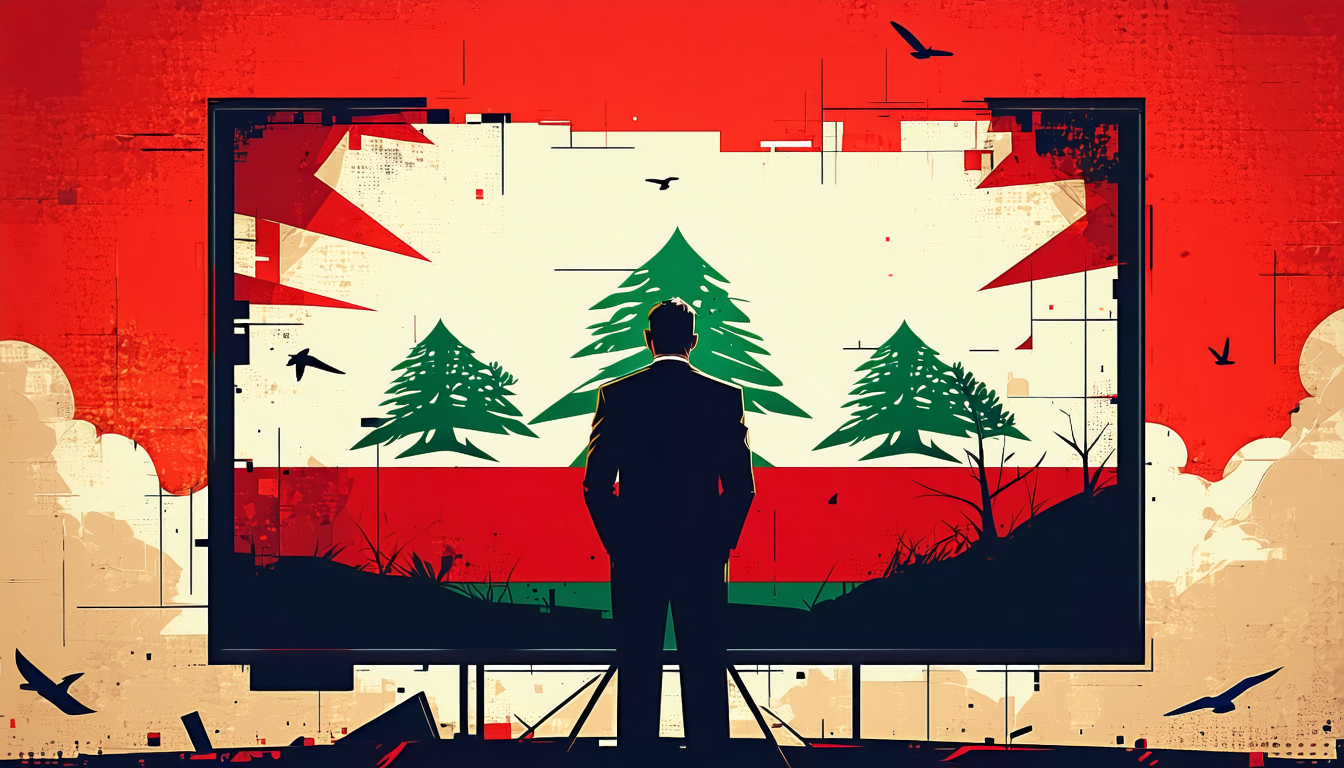
Minister of Information Lawyer Paul Morcos has called for a recalibration of how citizens exercise their right to free expression, emphasizing that this fundamental freedom must be tempered by accountability and respect for human dignity.
Speaking after attending Sunday's mass celebrating the 60th World Media and Social Communication Day at the Church of Our Lady in Bkerke, where he met with Maronite Patriarch Cardinal Mar Beshara Boutros Al-Rai, Morcos articulated his vision for responsible communication in the digital age.
"Respect for human dignity is a duty, and freedom to express an opinion is guaranteed and reserved for everyone, but it must be balanced with social responsibility," the minister stated. He cautioned that when freedom becomes weaponized against the social fabric, it forfeits its legitimate purpose.
The escalating tide of abusive and hateful content on social media platforms has prompted Morcos to underscore the necessity of maintaining equilibrium between individual liberties and collective welfare. He emphasized that political discourse should proceed unfettered while safeguarding the dignity of individuals, communities, and national institutions.
According to Morcos, media practitioners across the country share this perspective and are committed to promoting responsible communication among social media users. The Ministry of Information has intensified its efforts to address campaigns involving defamation and abuse, launching comprehensive awareness initiatives in partnership with UNESCO, the United Nations Development Programme, production companies, and the Ministry of Education.
A ministerial session was convened to establish educational programs in schools and universities designed to strengthen civic understanding and cultural values. Morcos framed the challenge as fundamentally educational, suggesting that resolving these issues requires addressing gaps in formal instruction and public awareness.
While acknowledging the ministry's role in promoting responsible conduct, Morcos drew a clear distinction between awareness efforts and legal enforcement. Content that crosses the threshold from opinion into abuse, defamation, or hate speech falls squarely within judicial purview, he explained.
"Social media exists for social and civilized interaction, not for insults, defamation, and affronts to dignities," Morcos stated, positioning a culture of respectful communication as essential to building a more unified and informed society.
The minister outlined provisions in the forthcoming media legislation designed specifically to address hate speech, alongside regulations governing online platforms. Developed in consultation with UNESCO, subject matter experts, and domestic organizations, the draft law has cleared relevant parliamentary committees and now awaits a House of Representatives vote.
Morcos characterized the proposed legislation as necessary modernization that would establish a framework keeping pace with technological change while protecting fundamental freedoms and regulating digital communication channels. He expressed hope that the legislative process would remain insulated from political considerations or calculations beyond the substantive merits of the proposal.
Lebanon currently faces intensifying political and sectarian tensions playing out across digital platforms, generating growing pressure for legislative action to curb hate speech and defamation while preserving the space for genuine media freedom and expression.
Compare options


