Ceasefire Holds But Tensions Mount: Israeli Military Pressure Continues Despite Extended Truce
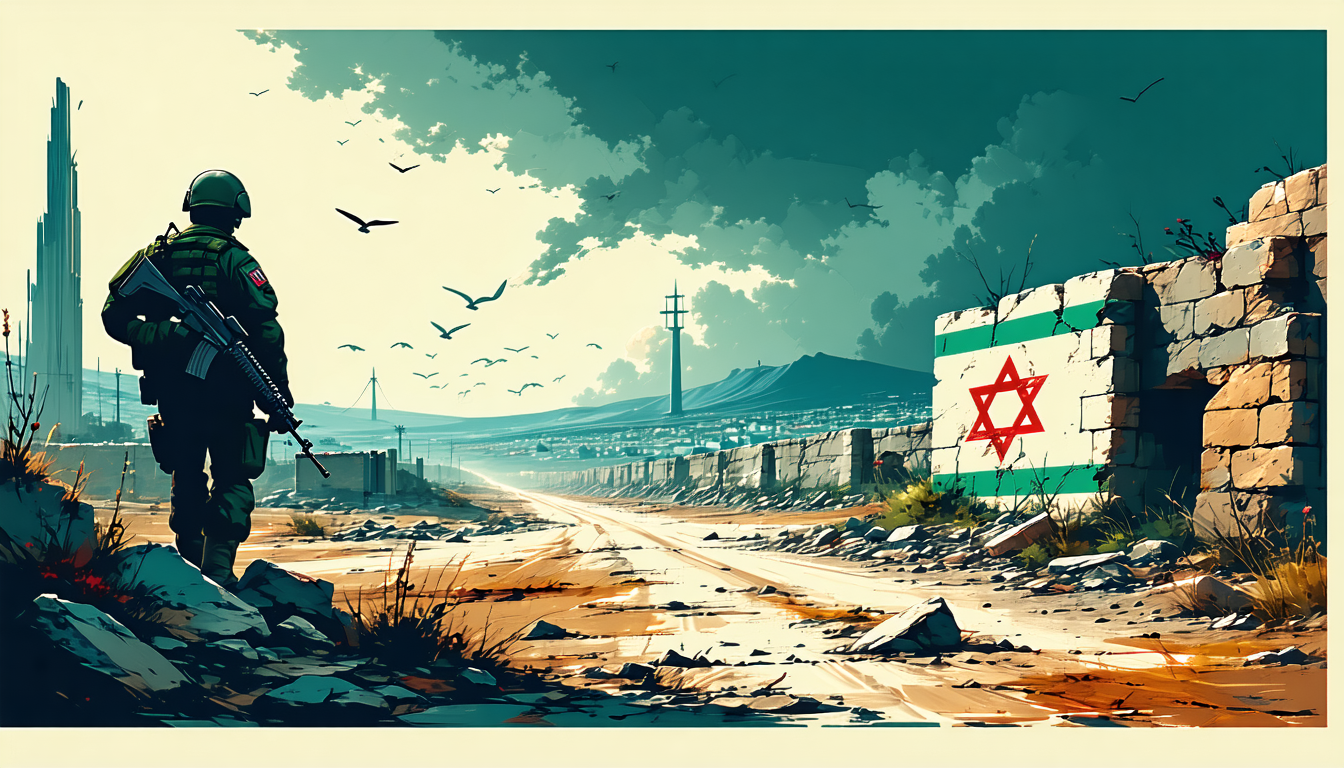
The ceasefire between Lebanon and Israel, extended for 45 additional days through American mediation, appears increasingly fragile as military activity in the south intensifies. Ongoing Israeli raids, ground incursions, and escalating warnings paint a picture of a region moving toward greater complexity, even as political and security negotiations proceed in Washington, driven partly by developments on the battlefield.
Retired Brigadier General Marcel Baloukji offered insight into the dynamics at play, suggesting that Israel remains dissatisfied with the current arrangement. According to the military analyst, the United States faces a challenging task: maintaining the ceasefire while preventing Hezbollah from using the pause to rebuild its capabilities and reassert influence over Lebanese political and military affairs.
From Israel's perspective, Baloukji explained, the truce presents a problematic window for Hezbollah to strengthen itself and reassert its agenda within Lebanon. This assessment, he suggested, drives Israeli decision-making to sustain military and security operations through repeated strikes and targeted operations in the south.
The current escalation cannot be separated from the negotiating process, Baloukji argued, functioning instead as a mechanism to exert pressure on the ground and improve Israel's negotiating position. He noted that conflicts of this nature typically proceed with simultaneous escalation rather than pause during diplomatic talks.
Baloukji indicated that Israeli officials question Lebanon's capacity to fully meet its obligations under the agreement, prompting discussions about expanded international oversight. Such mechanisms could involve American military personnel or even Arab and foreign forces deployed to monitor developments in the south.
The repositioning of Israeli forces near the Litani River carries significant military implications, according to the analyst. Israel appears to be establishing new positions and refining its deployment structure to enable rapid mobilization should future military operations become necessary.
Units such as Golani are conducting advanced reconnaissance missions and penetration operations in strategic areas, Baloukji noted, preparing for potential expansion of military operations if political leadership authorizes such moves.
Despite recurring references to Lebanon as a potential "quagmire," Baloukji rejected the notion that Israel considers itself militarily constrained. Instead, he suggested American political pressure is preventing Israel from fully pursuing certain objectives, whether on the Lebanese front or regarding broader regional arrangements.
Israel's strategy during this period involves establishing new security arrangements in the south while negotiations continue, Baloukji explained, describing the current phase as "military accompaniment for negotiations." Field escalation serves as a direct pressure mechanism against both Lebanon and Hezbollah.
The trajectory of events in the south remains uncertain, Baloukji concluded, with possibilities ranging from sustained limited escalation to a broader military confrontation. Any final agreement must navigate highly sensitive political, military, and regional complexities that continue to present substantial obstacles.
Compare options


