From Bird-Watching Paradise to Health Emergency: The Hantavirus Crisis at Sea
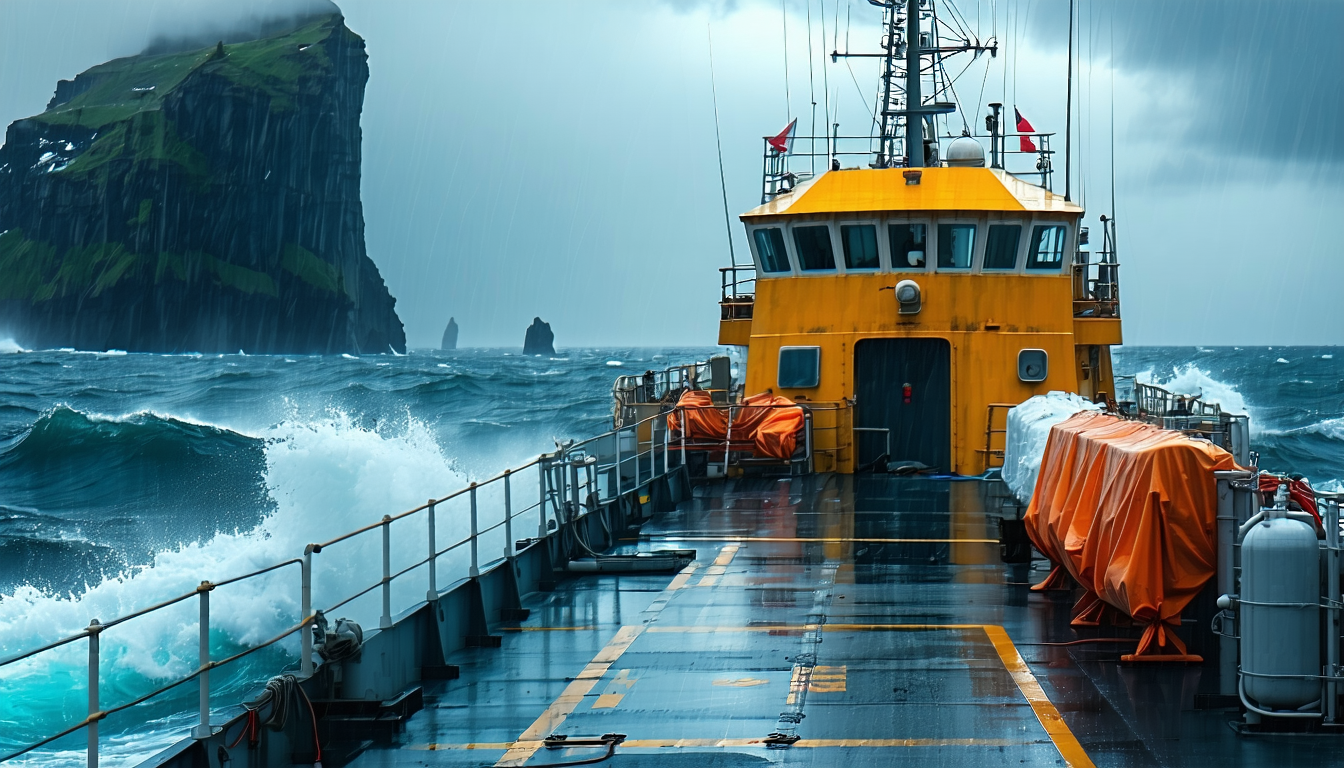
The world was still grappling with the aftermath of the COVID-19 pandemic when a prestigious wildlife observation voyage became the epicenter of an unexpected health catastrophe. What began as an expedition to observe birds and marine life in the remote reaches of the South Atlantic devolved into a containment crisis, as the rare Hantavirus swept through the MV Hondius, claiming three lives and leaving dozens more with suspected infections. The ship carried 175 passengers and crew members representing more than 23 countries.
The voyage embarked from Ushuaia, Argentina on April 1, with participants paying between $8,000 and $27,000 for the Dutch-flagged vessel's journey through some of the world's most isolated regions, including South Georgia, Tristan da Cunha, St. Helena, and Cape Verde. Passengers had gathered for what promised to be an extraordinary experience, attending lectures on ornithology and astronomy while traversing pristine polar waters.
The first sign of trouble emerged on April 12, when Captain Jan Dobrogowski summoned passengers to announce the death of Leo Schilberwoerd, a 69-year-old Dutch national. The ship's physician indicated the death was from natural causes and posed no contagion risk. However, this assessment would soon prove tragically inaccurate.
Within weeks, Schilberwoerd's wife, Miriam Schilberwoard-Hausmann, fell ill and died. A German passenger aboard also succumbed to illness. The World Health Organization subsequently confirmed that the second and third deaths resulted from Hantavirus infection, with evidence suggesting the initial fatality was likely caused by the same pathogen. The virus, typically associated with rodents, can transmit between humans under certain conditions—a reality that rekindled pandemic-era anxieties worldwide.
Schilberwoerd had been an ardent bird enthusiast, spending months before the cruise traveling across South America documenting avian species. Through the eBird platform, he had recorded approximately 6,000 bird species during his expeditions, reflecting his deep commitment to ornithological observation.
By Friday of the crisis week, WHO officials had identified ten cases connected to the vessel, comprising eight confirmed infections and two suspected cases. Among those affected were the ship's doctor, who had attended to the Dutch couple, a crew member, and a British tour guide. Quarantine measures were imposed on numerous passengers who had returned to their home countries, with health officials warning that symptoms could manifest for up to six weeks following exposure.
Investigations explored whether the virus originated from a waste disposal site near Ushuaia, though Argentine authorities dismissed such claims, characterizing the allegation as part of a misinformation campaign damaging to the region's tourism industry.
As conditions deteriorated aboard the vessel, it effectively became a floating quarantine facility. Passengers were barred from disembarking in Cape Verde on May 3. The WHO subsequently intervened, requesting that Spain accept the ship in the Canary Islands. This proposal met with considerable resistance from local officials and residents who feared viral transmission, with regional leadership expressing alarm about the rodent vector's potential to reach land.
The MV Hondius ultimately docked in Tenerife under extraordinary biosecurity protocols. Personnel in full protective equipment boarded the vessel to conduct health assessments and facilitate passenger quarantine. The ship subsequently sailed to the Netherlands for comprehensive decontamination procedures.
The episode underscores the heightened global vigilance surrounding emerging infectious diseases in the post-COVID era. A single outbreak aboard an isolated vessel proved sufficient to mobilize international health authorities and reignite collective anxieties about pandemic preparedness, demonstrating how deeply the memory of the coronavirus crisis continues to influence global responses to health threats.
Compare options


