Lebanese Agriculture Ministry Implements Comprehensive Framework for Beekeeping Sector
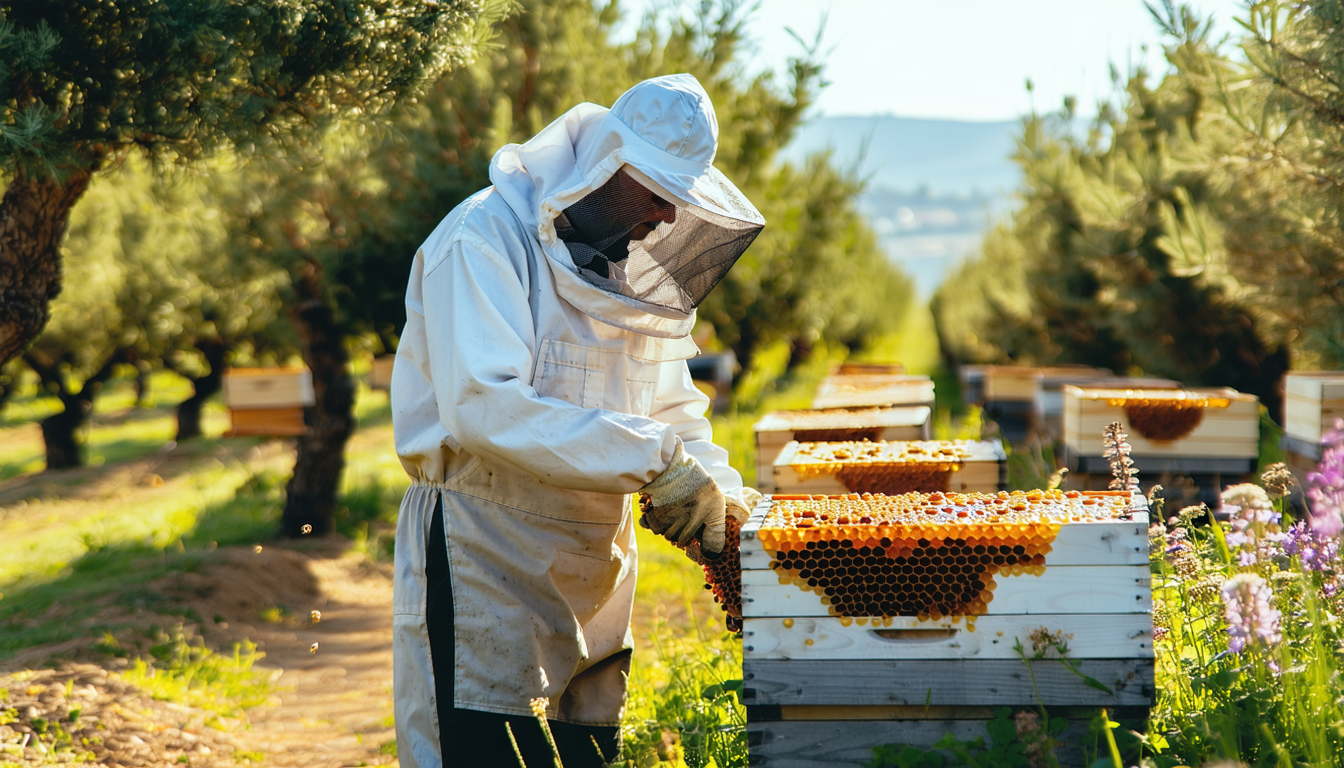
Lebanon's Ministry of Agriculture has unveiled an extensive regulatory framework designed to professionalize and safeguard the nation's beekeeping industry. The initiative addresses multiple dimensions of the sector, from registration protocols to quality assurance and environmental protection.
Registration and Database Development
The new regulations require all beekeepers—whether maintaining a single hive or operating larger operations—to register with the Ministry's farmers' registry. The mandate extends to honey producers, manufacturers of bee-related products, and queen breeders. This centralized registration system aims to establish a comprehensive national database that will enable the Ministry to provide improved technical support, health monitoring, and guidance services.
Hive Distribution and Pasture Management
Under the new framework, the Ministry of Agriculture will coordinate hive placement across Lebanese territories in partnership with local municipalities, mukhtars, agricultural cooperatives, unions, and specialized associations. Distribution decisions will follow scientific criteria that evaluate each region's capacity to support bee colonies while preventing overstocking that could compromise productivity and increase disease transmission.
Beekeepers must now obtain approval from their local agricultural center before establishing fixed or temporary apiaries or introducing hives during harvest periods. Applications must specify colony numbers, precise locations, and transportation timelines. The regulations also establish differentiated guidelines for various agricultural environments, including citrus and avocado orchards, oak forests, uncultivated lands, nature reserves, and crop fields. Minimum distances between apiaries, populated areas, and roadways have been defined to ensure public safety and environmental equilibrium.
Honey Quality and Fraud Prevention
The regulations place honey quality under strict oversight by the Livestock Directorate and relevant Ministry departments. Sorting, maturation, packaging, and storage operations are subject to regular inspection. Ministry technical teams are authorized to collect samples of honey, beeswax, royal jelly, pollen, propolis, and related products for analysis by accredited laboratories.
The framework explicitly classifies any combination of honey with manufactured additives or sugar-based solutions as fraudulent adulteration, subjecting violators to prosecution under Lebanese consumer protection and food safety legislation.
Packaging and Labeling Standards
Honey containers must display comprehensive labeling information: producer name and contact details, honey variety, production and expiration dates, net weight, production location, and country of origin. Electronic tracking systems using QR codes are permitted. Claims such as "organic honey" or assertions regarding purity percentages or health benefits require supporting documentation from laboratories and institutions recognized by the Ministry of Agriculture.
Bee Health and Disease Management
The regulations mandate regular monitoring for pests and diseases including Varroa, Trubellius, foulbrood, Nosema, and viral infections. Beekeepers must report disease detection to agricultural centers immediately and participate in collective treatment initiatives. The framework also restricts the application of agricultural pesticides harmful to bees and pollinators, particularly during bloom periods.
Feeding restrictions prohibit using sugar solutions or protein substitutes for honey-producing colonies during nectar flow and production seasons to maintain product quality and prevent contamination.
Queen Breeding Regulation
The establishment of queen production facilities now requires prior Ministry licensing. Operations must implement rigorous scientific standards encompassing genetic selection, lineage documentation, and monitoring of genetic traits, productive capacity, behavioral patterns, and disease resistance. Breeders must maintain detailed technical records tracking disease immunity, yield potential, behavioral characteristics, seasonal release timing, climate adaptation, and other internationally recognized genetic improvement indicators.
Import Controls and Biosecurity
Importing queens from abroad requires Ministry approval and valid health certificates confirming freedom from diseases and pests, with quarantine measures available when necessary. First-generation queen imports face temporal restrictions, while zero-generation queens may be imported under specific scientific conditions related to controlled artificial or natural breeding. The regulations prohibit importing complete bee colonies and packaged bees to protect domestic bee populations, though an exception exists for bumblebees used in agricultural pollination.
Professional Development
The Ministry will organize regular training programs covering modern beekeeping practices and legal requirements for establishing apiaries. Regional agricultural departments and the Ministry's beekeeping division will oversee instruction designed to strengthen sector expertise and promote best practices.
The comprehensive regulatory package reflects the Ministry's commitment to establishing a modern, sustainable beekeeping sector grounded in scientific principles, rigorous health protocols, and environmental stewardship. Officials view the measures as essential to strengthening Lebanese honey's reputation in domestic and international markets, supporting rural economies, and preserving natural pollination systems critical to food security and ecological health.
Compare options


