Qabalan Issues Sharp Warning Over Lebanon's Political Direction and Israel Negotiations
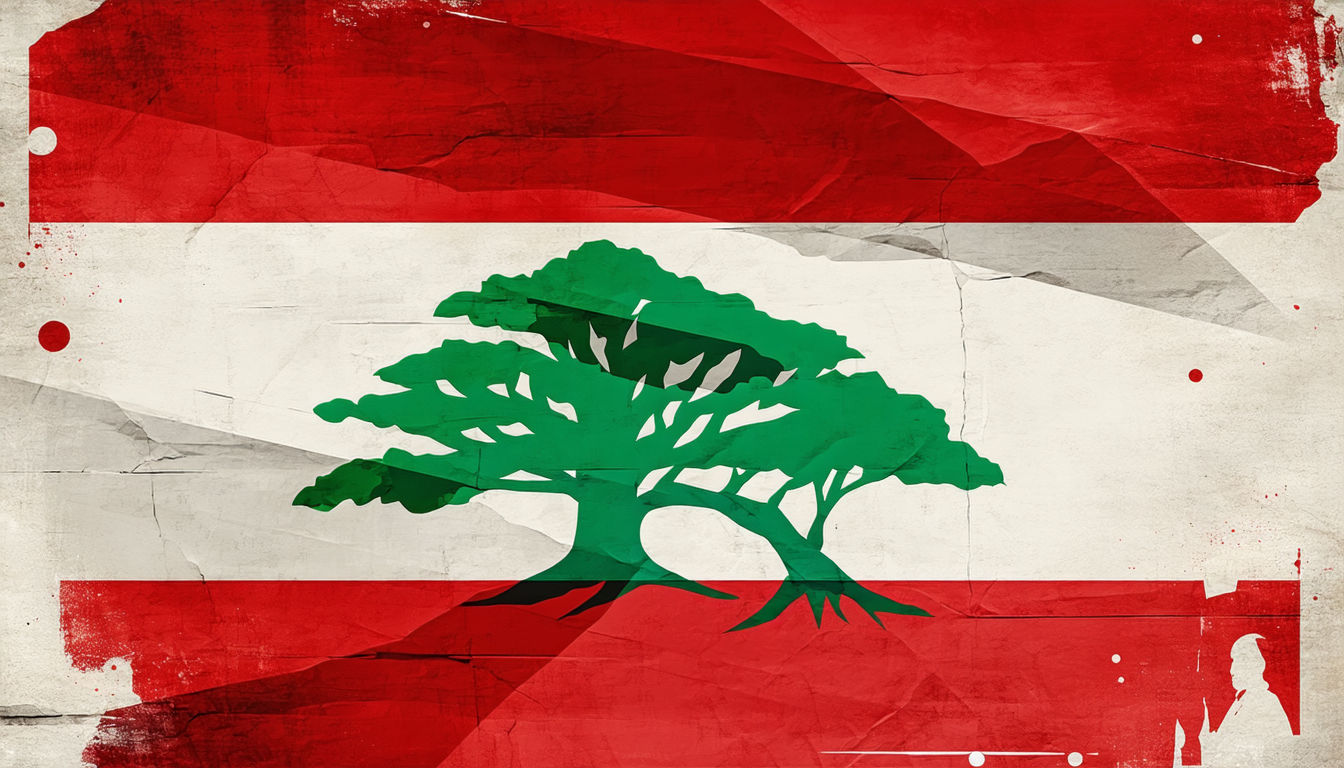
The Jaafari Mufti Sheikh Ahmed Qabalan has delivered a stark assessment of Lebanon's political crisis, declaring that only national unity and the restoration of state sovereignty can prevent the country's collapse.
His statement represents an escalation in rhetoric surrounding the ongoing direct negotiations between Lebanon and Israel, which are being facilitated by the United States. Qabalan expressed fundamental distrust of the current Lebanese government, describing it as installed by American interests and compromised by support for Israel. He characterized the administration as focused solely on maintaining power rather than serving the nation's interests.
The religious leader leveled accusations that authorities have deliberately weakened the southern regions, suburban areas, and the Bekaa Valley through financial neglect, inadequate relief efforts, and security failures. Qabalan warned that these policies are pushing Lebanon toward a sectarian confrontation reminiscent of the country's most severe historical crises and earlier civil war scenarios.
A central concern in Qabalan's statement involves the proposed security arrangements with Israel. He cautioned against establishing what he termed a "security path" between Israeli and Lebanese military forces, arguing that such cooperation aims to disarm resistance movements and eliminate any armed forces that might challenge Israeli dominance in the region.
Qabalan specifically referenced remarks by US Central Command Commander Brad Cooper regarding American support for the Lebanese military to counter Hezbollah, characterizing this stance as an attack on the broader Shiite community.
The Mufti framed the situation as part of a larger American strategy to either integrate Lebanon into what he described as a "Zionist" framework or to provoke internal conflict. He called for mobilizing significant political opposition to prevent what he termed the infiltration of destructive sectarian strife.
Qabalan emphasized that Lebanon's stability depends fundamentally on the decisions made by its political leadership, warning that strategic miscalculations could prove catastrophic for the nation. He argued that Lebanon's resilience ultimately rests on internal cohesion, political partnership across communities, and a unified defense strategy.
These statements emerge amid deepening political divisions within Lebanon over the Israel negotiations, the continuation of ceasefire arrangements, and the contentious question of armed resistance movements and their weapons. Concerns continue to mount regarding how this internal discord might destabilize civil peace and threaten political stability.
Compare options


