Lebanon Formally Challenges Iran's Use of Revolutionary Guards Under Diplomatic Cover
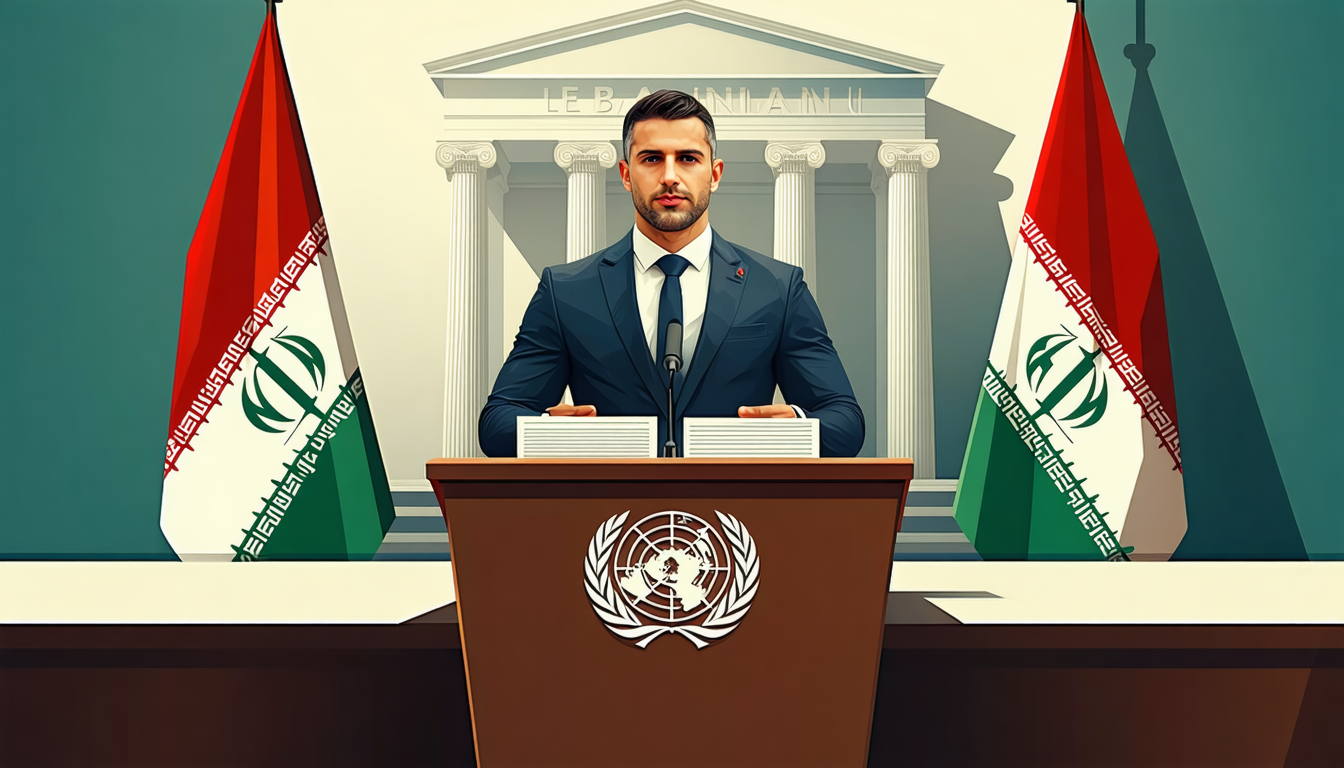
Lebanon has taken a significant diplomatic step by formally responding to Iranian complaints filed with the UN Security Council, marking what observers describe as a notable shift in the state's approach to Iranian activities on its territory.
The dispute centers on Iran's March complaints to the Security Council regarding Israeli threats against its diplomatic mission in Lebanon. Those complaints cited the targeting of six individuals, including four officers killed in a bombing at the Ramada Hotel in Raouche and two others in separate operations.
On April 21, Ambassador Ahmed Arafa, Lebanon's UN delegate, submitted an official response on behalf of the Lebanese government. The letter addresses the presidency of the Security Council and the UN Secretary-General, establishing what analysts view as a turning point in Lebanese foreign policy.
While affirming Lebanon's commitment to the Vienna Convention and expressing disapproval of attacks on persons with international protection status, the Lebanese response challenges core elements of Iran's narrative. It contests Iran's allegation that the Iranian Embassy coordinated the transfer of the four diplomats to the Ramada Hotel with the Lebanese Foreign Ministry.
According to the Lebanese account, the Iranian Embassy only notified the Foreign Ministry on March 16 that the four individuals had been transferred to the hotel due to security conditions, without having sought prior approval or coordination. The ministry subsequently requested an updated list of working diplomats from the embassy and asked for the return of diplomatic credentials belonging to those who had departed.
The Lebanese response identifies two of the six individuals—Ahmed Rasouli and Amir Moradi—as holding "deputized" status, meaning they were not formally registered with Lebanese authorities according to standard diplomatic procedures. This designation raises questions about their official capacity and standing.
The response reaches its most pointed conclusion by directly addressing the military nature of these individuals' roles. Lebanese authorities cite Iranian media reports identifying the six as Revolutionary Guard members and the publication of photographs showing them in military uniform. The response also references statements from Iranian sources regarding joint operations conducted with Hezbollah.
This documentation of Revolutionary Guard activities operating under diplomatic cover directly challenges a Lebanese government decision issued on March 5 prohibiting any activity by Revolutionary Guard members within Lebanese territory. The response further notes the continued presence of Ambassador Mohamed Reda Shibani despite a decision to withdraw his accreditation, citing statements he made that violated Vienna Convention standards.
The significance of Lebanon's response extends beyond procedural corrections. The carefully worded diplomatic letter represents a strategic recalibration in how the Lebanese state addresses Iranian influence. By dismantling the Iranian account and placing it in what the government views as its proper context, the response signals an intent to redefine bilateral relations on grounds that are more balanced and mutually respectful.
Observers suggest the response opens the door to either reformulated ties based on more equal terms or, alternatively, a gradual reduction in diplomatic representation that could eventually lead to a fundamental restructuring of Lebanese-Iranian relations. The tone of the Lebanese letter—measured yet precise in its diplomatic language—reflects what analysts characterize as a transitional moment in which the state apparatus is reasserting control over its foreign policy decision-making processes.
Compare options


