Israel Assesses Five-Week Window for Potential US Military Action Against Iran
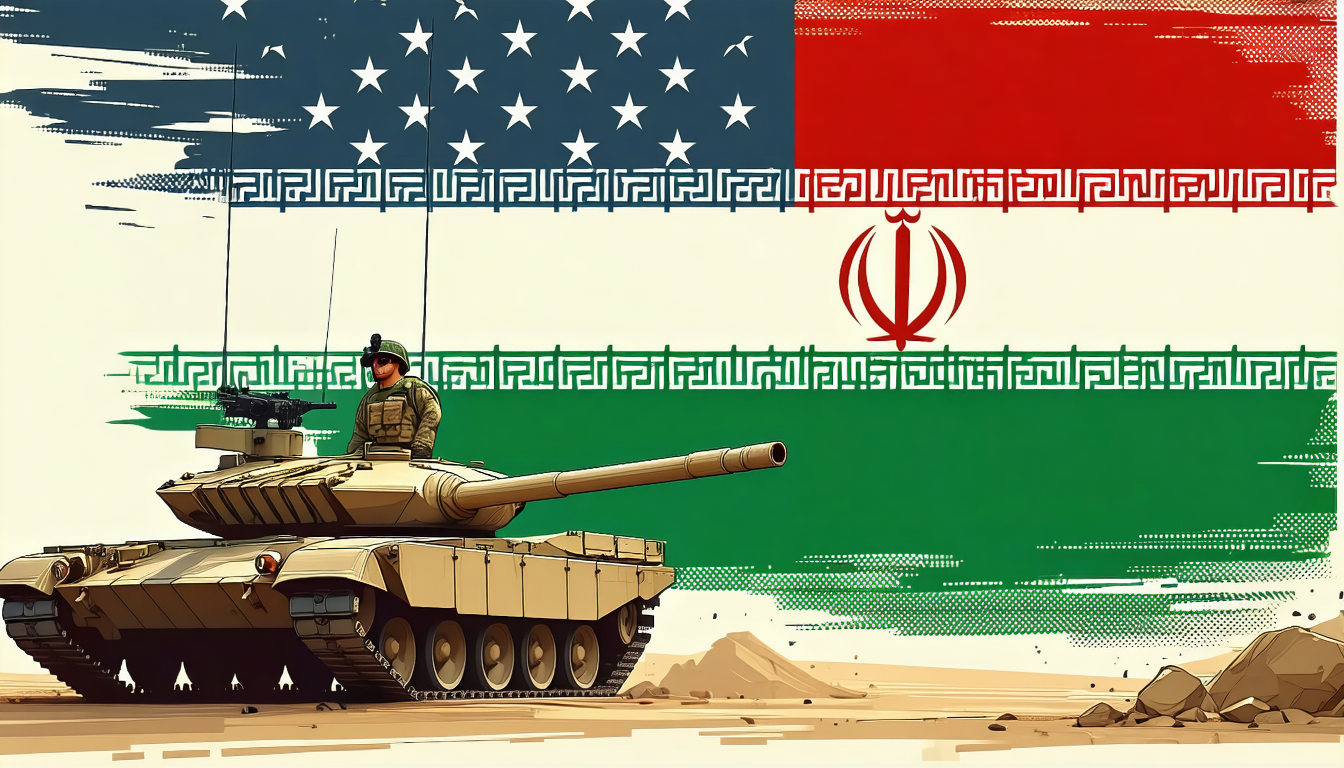
A recent Israeli intelligence analysis has shed light on the narrowing diplomatic prospects between Washington and Tehran, suggesting that the current phase of decision-making represents a critical juncture for US policy toward Iran.
Reporting from the Israeli newspaper Maariv, analyst Alon Ben David outlined a compressed timeline for American action, indicating that the viable window for military operations extends only through the first week of June, before the World Cup tournament begins on June 11. Following that date, Trump's schedule becomes consumed with major domestic commitments, including the World Cup and the 250th anniversary celebrations of American independence, followed by midterm electoral considerations.
The assessment underscores a fundamental shift in the diplomatic landscape. Nearly five weeks into the ceasefire arrangement between Washington and Tehran, Israeli analysts have concluded that meaningful negotiations have effectively stalled. The report characterizes an agreement as improbable unless the American administration makes substantial concessions that would constitute what the analyst describes as significant political retreat.
From Israel's perspective, any potential accord with Iran represents a fundamentally flawed arrangement. This assessment reflects Jerusalem's view that Tehran retains dangerous capabilities across multiple domains. Israeli Prime Minister Benjamin Netanyahu reiterated this position during a CBS interview, emphasizing that the conflict has not achieved its primary objectives, with Iran maintaining both its nuclear program and ballistic missile arsenal intact, alongside its network of regional proxy forces.
The analysis provides detailed observations about Iran's current leadership structure. Mojtaba Khamenei, the son of Supreme Leader Ayatollah Khamenei, has consolidated control despite limited public visibility and physical injuries affecting his appearance. Ali Asghar Hejazi, who heads Khamenei's office, has emerged as the second-most influential figure, functioning as the primary channel through which leadership directives reach government institutions.
The Iranian power structure encompasses three distinct centers: the civilian administration under President Masoud Pezeshkian, the military establishment headed by Revolutionary Guard Commander Ahmed Vahidi, and the political-security apparatus led by Parliament Speaker Muhammad Qalibaf and Foreign Minister Abbas Araghchi. Despite occasional tensions among these factions, all maintain consensus that Iran should avoid renewed conflict while banking on its superior capacity to endure prolonged confrontation compared to the Trump administration's political timeline.
Regarding nuclear capabilities, the assessment confirms Iran retains 440 kilograms of uranium enriched to 60 percent, sufficient material for approximately ten nuclear weapons. The Fordo enrichment facility continues operating with functional capability. Western intelligence estimates cited in the report suggest Iran could produce a nuclear device within one year if leadership makes that determination, despite the loss of certain technical expertise and research centers.
Iran's military inventory remains substantial, comprising over 1,000 ballistic missiles and more than 200 launch platforms, though naval capabilities have diminished and air defense systems have sustained damage. Current production focuses on drone manufacturing rather than new ballistic missile development.
The Trump administration faces two principal strategic options. The first involves a brief military campaign of two to three days targeting Iranian energy infrastructure and strategic installations. The second pursues sustained economic and naval blockade measures. American intelligence agencies have not identified clear Iranian targets capable of triggering regime collapse or forcing capitulation, making the extended blockade scenario appear more probable.
During the previous conflict, the United States permitted Iranian oil sales to continue, though revenues primarily funded regime reconstruction, particularly for Revolutionary Guard and Basij force rehabilitation following air strike damage. Since the ceasefire and implementation of American economic measures, Iran's economic deterioration has accelerated sharply. Inflation has surged from 50 percent to approximately 80 percent, accompanied by severe shortages of essential commodities.
The emerging dynamic increasingly resembles a test of endurance between the two capitals. The prolonged blockade strategy may ultimately confront the Iranian regime with an existential challenge, transforming the competition into a competition of political will and economic resilience.
Compare options


