The Hidden Health Threat: How Conflict-Related Air Pollution Spreads Across Lebanon
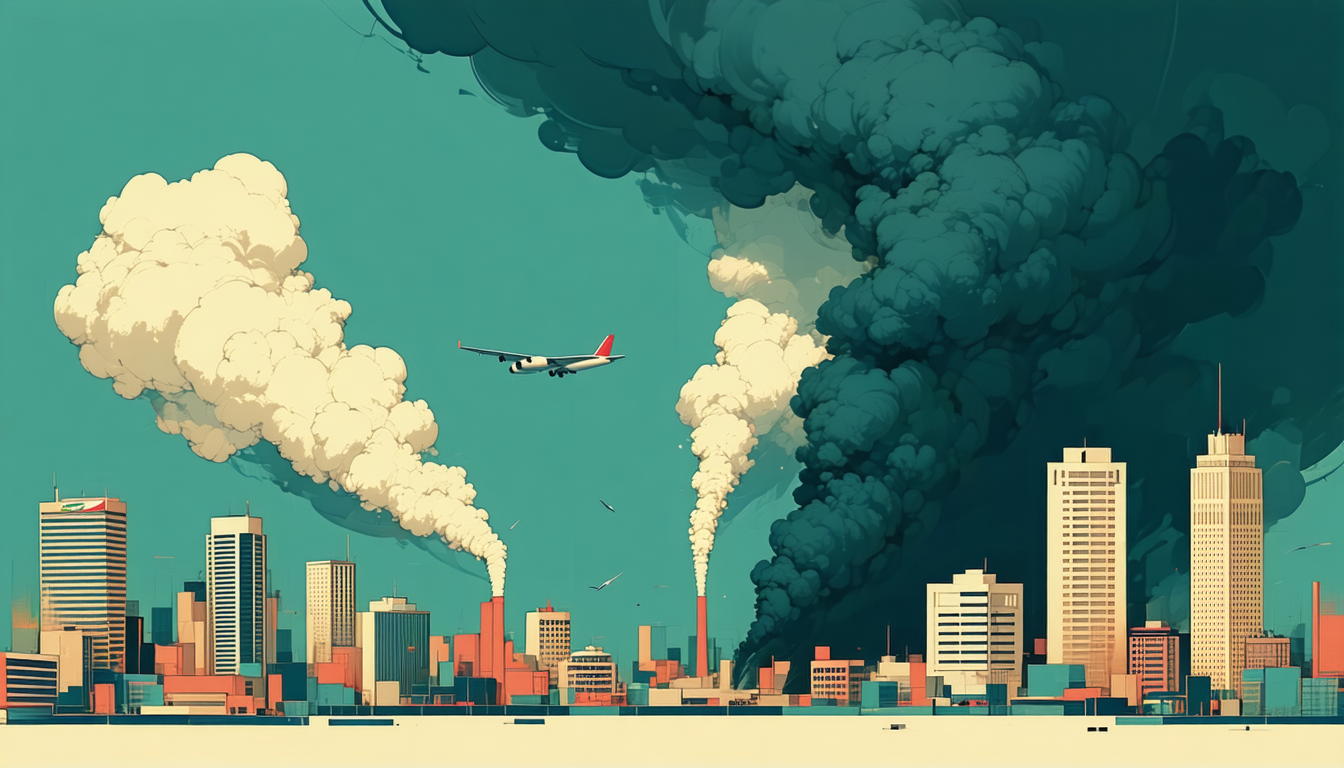
The health dangers stemming from military operations extend far beyond the immediate impact zones. Wind patterns carry smoke and hazardous particles from bombing sites across vast distances, creating what medical professionals describe as an invisible public health crisis affecting communities throughout the country.
Dr. Olga Nahas, an assistant professor specializing in allergy medicine, highlighted this concern in recent remarks, noting that phosphorus bombs, toxic smoke, and airborne pollutants from raids can reach areas well beyond southern towns and the Bekaa Valley. The extent of this dispersal depends on environmental conditions including wind velocity and direction, temperature, humidity levels, and the specific explosives involved.
The composition of smoke from bombardment poses particular risks to human health. Fine particulate matter and toxic chemicals contained in the smoke can travel through the atmosphere and penetrate the respiratory system. Those with existing respiratory conditions face heightened vulnerability. Dr. Nahas emphasized that asthma and chronic obstructive pulmonary disease (COPD) patients experience elevated danger, with health impacts intensifying as bombing activity increases.
Immediate and Delayed Health Effects
Exposure to these airborne toxins can trigger severe asthma attacks, breathing difficulties, and persistent dry coughs, while reducing oxygen levels in the bloodstream. Some individuals experience symptoms immediately following exposure, while others develop health complications gradually depending on inhalation intensity and personal health status.
Risk distribution remains uneven across the population. Those residing or working near bombardment zones face the greatest danger, as do individuals with chronic respiratory conditions. Children, elderly populations, pregnant women, and heavy smokers represent particularly vulnerable groups, with the latter facing double the risk of serious complications.
Protective Measures and Precautions
Dr. Nahas recommends several preventive strategies for residents. During bombing periods, remaining indoors with windows and doors sealed provides basic protection. When outdoor exposure becomes necessary, wearing masks offers additional safeguarding.
Air purification systems equipped with HEPA filters prove effective at capturing fine particles. Following any nearby bombing incident, changing clothes, showering, and maintaining adequate hydration are advisable steps. Any emerging respiratory symptoms warrant medical attention, whether through doctor consultation or emergency department visits.
The ongoing air quality crisis resulting from conflict represents a substantial health threat that merits serious attention and awareness. This silent danger demands both individual protective action and broader public health consideration.
Compare options


