Fuel Distributor Urges Swift Government Action as Gasoline Prices Surge in Lebanon
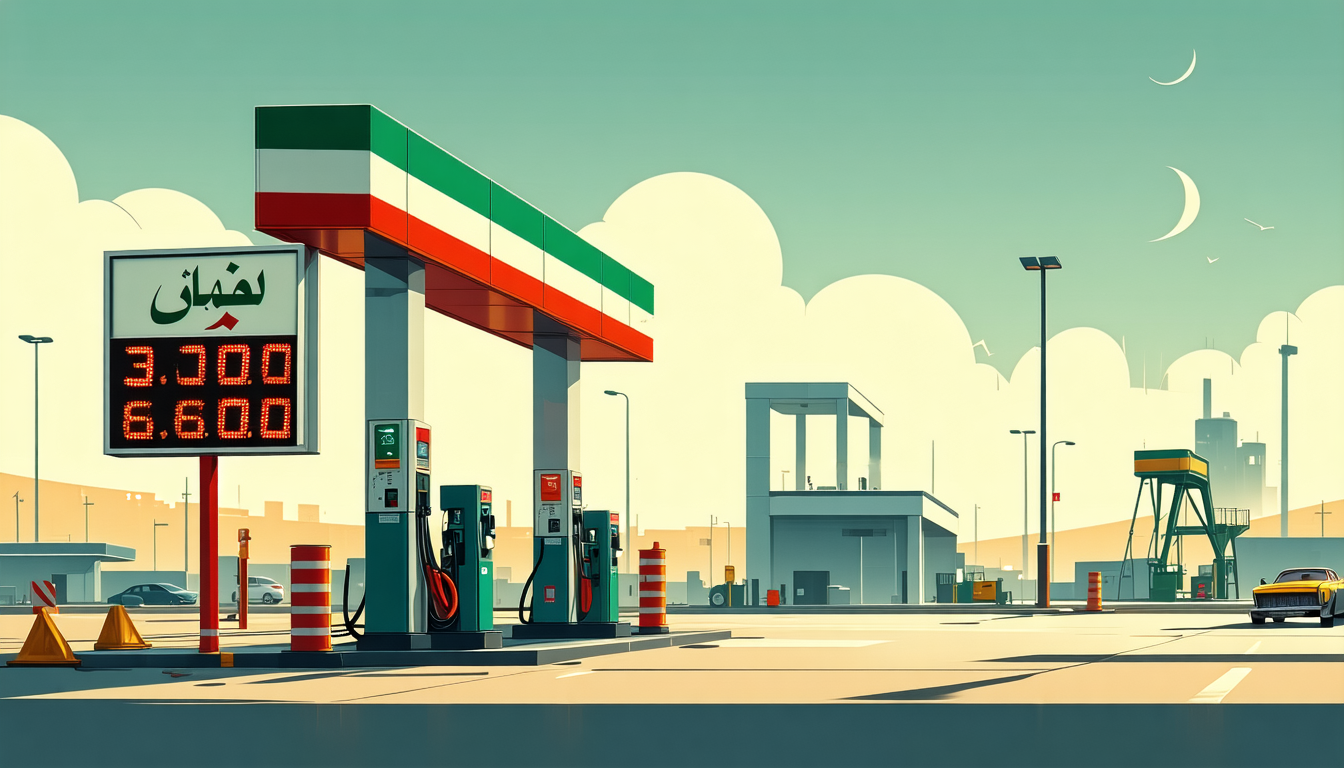
Lebanon's fuel distribution sector is pressing the government to act urgently as gasoline prices continue their upward trajectory. Fadi Abu Chakra, representing fuel distributors, has called for a reassessment of the tax structure on gasoline, pointing to escalating global oil costs and mounting expenses for insurance and transportation driven by regional security concerns and ongoing conflict.
The situation has deteriorated markedly in recent weeks, Abu Chakra warned in a statement, noting that gasoline prices have climbed steeply, with a plate now exceeding $28—a figure that compounds the financial strain on ordinary Lebanese as the country grapples with a deepening economic crisis.
The spiraling fuel costs carry broader implications beyond individual motorists. Abu Chakra emphasized that the price surge dampens commercial activity and suppresses sales across sectors, creating a cascade of economic consequences if the trend persists. The fuel shortage extends its reach across production and service industries nationwide, since most economic operations depend heavily on transportation and fuel access. This dependence drives up operational expenses and consumer prices across the board.
The distributor called for decisive measures to mitigate the crisis, advocating for a pragmatic policy framework that accounts for the severe social and economic hardship facing Lebanese citizens and shields them from the full impact of international oil price fluctuations.
The alarm reflects turbulent conditions in global energy markets, where military tensions and regional conflicts have pushed oil prices higher while also increasing shipping costs and marine insurance premiums. Lebanon, which imports nearly all its fuel, faces direct exposure to these international pressures.
Citizens face mounting concerns about eroding purchasing power as transportation, electricity, and essential goods all climb in price. The anxiety is particularly acute given the absence of any concrete government relief plan or intervention to ease the mounting cost-of-living burden.
Compare options


