Saudi Arabia Explores "Helsinki Middle East" Framework to Ease Regional Tensions
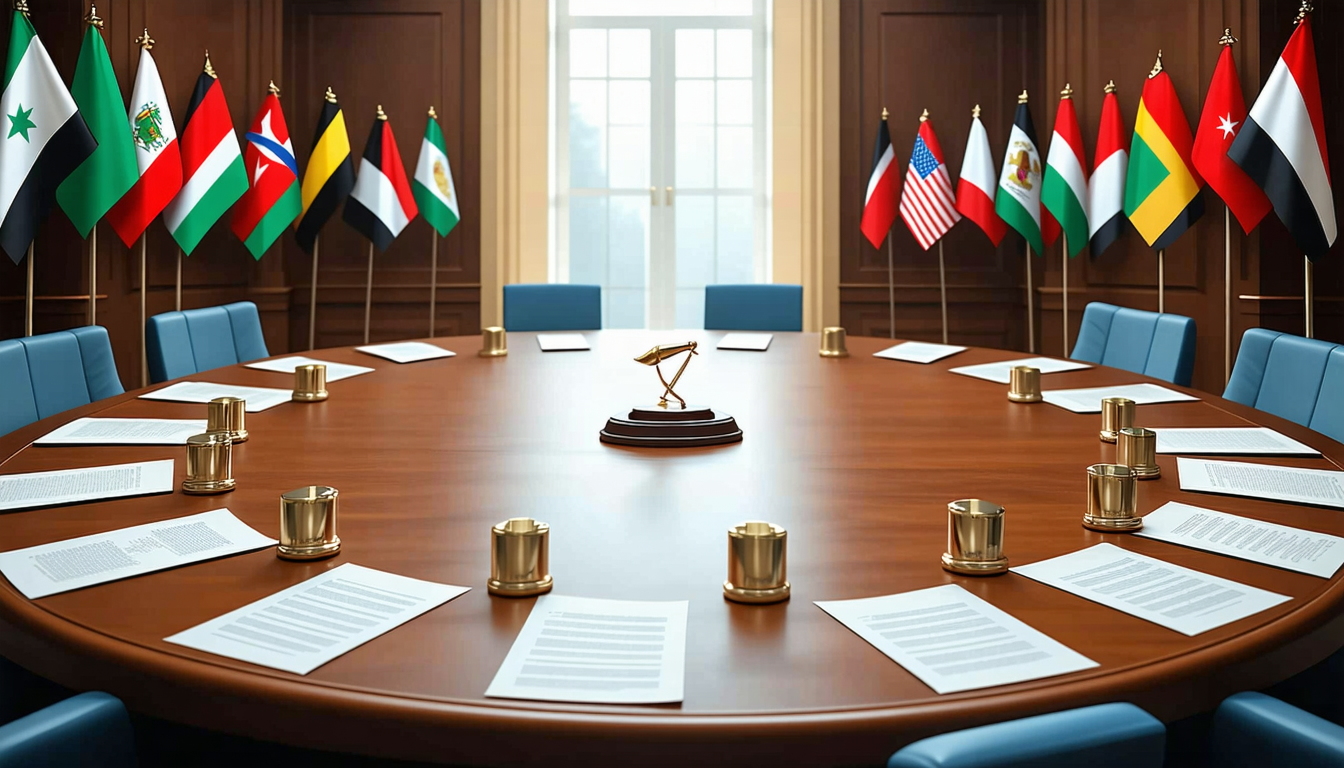
In the aftermath of the US-Israeli military campaign against Iran, Saudi Arabia is advancing a proposal to reshape regional dynamics through a "non-aggression agreement" that would involve countries across the Middle East and Tehran, according to diplomatic sources cited by the Financial Times.
Riyadh has drawn inspiration from the 1975 Helsinki Agreement—the landmark Cold War accord signed between the United States, European nations, the Soviet Union, and allied powers—viewing its framework as a potential template for stabilizing the region. The original agreement addressed security matters and fostered economic collaboration between rival superpowers.
Diplomats indicate that the non-aggression pact represents one of several proposals currently under consideration. The initiative comes amid mounting concerns in the Gulf over the possibility of a more radical Iranian government emerging post-conflict, coupled with diminishing American military engagement in the region.
The war has prompted Arab and Islamic states to reassess their strategic partnerships and the broader regional security architecture, with European capitals and EU institutions actively encouraging Gulf nations to pursue this diplomatic track. An Arab diplomat told the Financial Times that an agreement patterned after the Helsinki model would likely gain acceptance among Arab, Islamic, and Iranian leadership.
Backers of the proposal contend it could serve as a mechanism to prevent future escalations while offering Iran assurances against additional military strikes.
However, fissures have emerged among Gulf partners regarding post-war regional strategy. The United Arab Emirates has adopted a harder line toward Iran throughout the recent confrontation, criticized what it views as insufficient Arab institutional responses to Iranian attacks, and signaled intentions to deepen ties with Israel following the war's conclusion. Some diplomats have questioned whether Abu Dhabi would participate in such an agreement.
Saudi Arabia and other Gulf states, by contrast, have supported Pakistani-backed initiatives aimed at facilitating dialogue between Washington and Tehran to conclude hostilities.
Diplomatic observers have also noted growing coordination among Saudi Arabia, Pakistan, Turkey, and Egypt—though without formal alliance structures—suggesting that coming years may see enhanced defense, political, and economic collaboration among these nations.
Compare options


